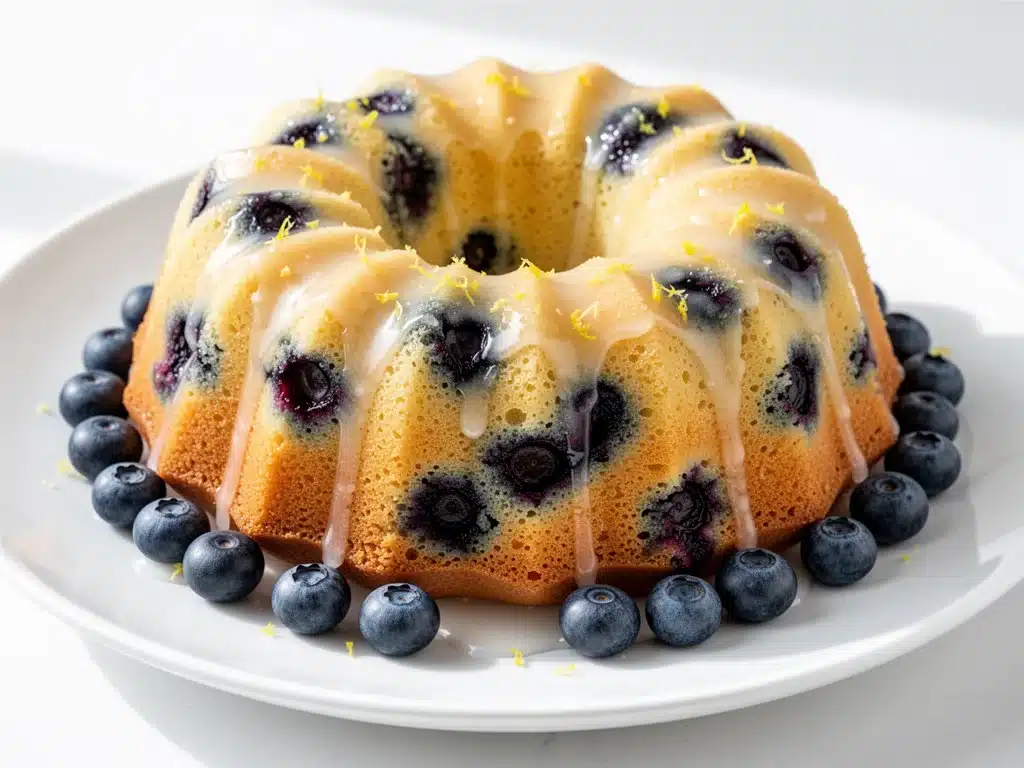
There is a specific kind of panic that sets in when you realize it’s officially spring, but your dessert game is still stuck in winter mode. You know the type. You’re thinking heavy chocolate cakes, dense gingerbread, or maybe that grandma’s bread pudding that’s so good you keep making it every single week. But spring demands something lighter. Something that tastes like sunshine. Something that doesn’t leave you feeling sluggish after just one slice.
I spent three weekends last April hunting for the perfect spring dessert. I made lemon bars that were too tart. I tried a blueberry muffin tin cake that collapsed in the center. I even attempted a lavender-infused sponge that tasted like soap (don’t let anyone tell you otherwise). I was ready to give up and just buy a lemon cake from the grocery store bakery. Then, I remembered my aunt’s Bundt pan. The old, fluted one she got at a garage sale in 1985. It has seen things. It has baked everything from dense fruitcakes to airy angel food cakes. And somehow, it always came out perfect.
I combined my aunt’s secret technique—soaking the cake in a syrup while it’s still hot—with a fresh batch of blueberries and enough lemon zest to wake up your entire neighborhood. The result? This Lemon Blueberry Bundt Cake. It’s not just a cake. It’s a mood. It’s the taste of a backyard brunch. It’s the dessert you bring to Easter, Mother’s Day, or that random Tuesday when you just need a little bit of joy.
I’ve tested this recipe at least eight times. I’ve used frozen blueberries, fresh blueberries, lemon extract, and fresh lemon juice. I’ve tried different pans. I’ve burned the edges (oops). I’ve underbaked the center (double oops). But this version? This is the one. It’s moist, tangy, sweet, and visually stunning enough to make your friends ask if you bought it from a fancy patisserie. Spoiler alert: they’ll never know it came from your kitchen.
Why You’ll Love This Lemon Blueberry Bundt Cake
Look, I get it. Baking a Bundt cake can feel intimidating. It’s not a quick bread. It’s not a simple loaf. It requires attention. But let me tell you why this specific Lemon Blueberry Bundt Cake is worth every minute of effort.
It’s Actually Moist — Most lemon cakes dry out by the next day. This one? It gets better. The buttermilk and the lemon syrup soak into the crumb, keeping it tender for days. I’ve had slices on day four, and they were still soft. That’s not luck; that’s chemistry.
Zero Zest Regrets — I used to be scared of lemon zest. I thought it would make the cake bitter. It doesn’t. When you mix it with sugar and rub it into the butter, it releases oils that make the whole cake smell like a lemon grove. It’s addictive. You’ll find yourself sniffing the mixing bowl.
Blueberries Everywhere — Not just on top. Not just in the middle. I fold blueberries into the batter AND press a few into the top before baking. You get bursts of juicy blueberry in every single bite. It’s like a flavor explosion.
Make-Ahead Friendly — This is my secret weapon for hosting. You can bake this cake the day before. In fact, I prefer it that way. The flavors meld overnight. The syrup absorbs fully. When you pull it out of the fridge the next morning, it’s ready to serve. No last-minute stress. No panic. Just beautiful, delicious cake.
Visually Stunning — Bundt pans are dramatic. They have those beautiful fluted sides that show off the cake’s texture. When you glaze it with a lemon icing, it shines under the light. It looks expensive. It looks professional. It looks like you spent hours decorating it (you didn’t; you just poured glaze over it).
This cake has become my go-to for spring gatherings. It’s light enough for dessert but substantial enough to satisfy a sweet tooth. It’s the perfect balance of tart and sweet. And honestly? It’s just fun to make. There’s something satisfying about flipping a Bundt pan and watching the cake slide out perfectly.
Ingredients You’ll Need
Before we dive into the mixing, let’s talk about what you need. This isn’t a complicated ingredient list, but some choices matter more than others. I’ve learned this through trial and error (and a few ruined cakes).
For the Cake Base
Unsalted butter (1 cup / 225g) — Room temperature is non-negotiable. If your butter is cold, it won’t cream properly with the sugar. If it’s melted, you’ll get dense cakes. I take my butter out of the fridge about an hour before I start. If I’m in a rush, I cut it into cubes and microwave it for 10-second bursts. Stop before it melts.
Granulated sugar (1 ½ cups / 300g) — This provides sweetness and helps create that tender crumb. Don’t reduce the sugar too much, or the cake will be dry. I use regular white sugar; brown sugar changes the flavor profile too much for this specific taste.
Large eggs (4 large) — Room temperature eggs blend better into the batter. Cold eggs can cause the mixture to curdle. I take them out of the fridge while the butter softens. If you forget, just drop them in warm water for 5 minutes.
All-purpose flour (2 ½ cups / 315g) — I use Gold Medal or King Arthur. Sift the flour to remove lumps. This helps the cake rise evenly. I also measure by weight if I can, but volume works fine if you spoon and level.
Baking powder (1 teaspoon) — Fresh baking powder is key. If yours is old, your cake won’t rise. I keep mine in the fridge to extend its life.
Baking soda (½ teaspoon) — This reacts with the buttermilk to create lift. Don’t skip it.
Salt (½ teaspoon) — Enhances the lemon flavor. Don’t skip this either.
Buttermilk (1 cup / 240ml) — This is the secret to moisture. If you don’t have buttermilk, make your own: add 1 tablespoon of white vinegar or lemon juice to 1 cup of milk. Let it sit for 10 minutes. It curdles slightly. Perfect.
Vanilla extract (1 teaspoon) — Adds depth. Use real vanilla, not imitation.
For the Lemon Flavor
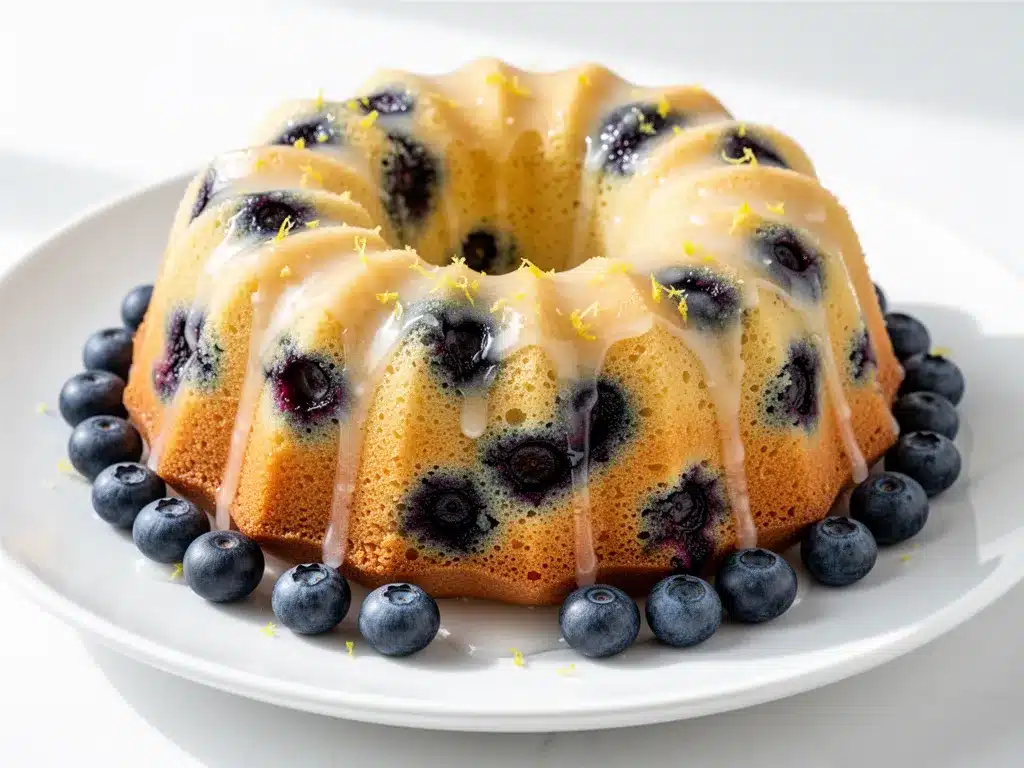
Fresh lemons (3 large) — You’ll need zest from all three and juice from about two of them. Do not use bottled lemon juice. It tastes artificial and will ruin the flavor. Grate the zest before you juice the lemons, or you’ll have a mess. I use a microplane for fine zest.
Lemon extract (1 teaspoon) — Optional, but I recommend it. It boosts the lemon flavor without adding more acidity. Just a little goes a long way.
For the Blueberries
Fresh or frozen blueberries (1 ½ cups / 225g) — Fresh are great, but frozen work too. If you use frozen, do not thaw them first. Toss them in 1 tablespoon of flour before folding them in. This prevents them from sinking to the bottom.
For the Lemon Syrup
Granulated sugar (½ cup / 100g)
Lemon juice (¼ cup / 60ml) — From fresh lemons, obviously.
Water (2 tablespoons)
For the Glaze
Confectioners’ sugar (1 ½ cups / 180g)
Lemon juice (2-3 tablespoons) — Add gradually until you reach the right consistency.
Lemon zest (1 teaspoon) — For garnish and extra flavor.
Equipment You’ll Need
You don’t need fancy gadgets for this, but you do need the right tools. Here’s what I use.
12-Cup Bundt Pan — This is crucial. Standard Bundt pans hold 10-12 cups. If you use a smaller pan, the cake will overflow. I use a Nordic Ware Bundt pan. It’s heavy, durable, and releases cakes beautifully. If you don’t have a Bundt pan, you can make this in a tube pan, but the look won’t be the same.
Electric Mixer — Handheld or stand mixer. Creaming the butter and sugar by hand is possible, but it takes 10 minutes of arm workout. I prefer my stand mixer on medium speed.
Microplane Zester — For the lemon zest. It creates fine, fluffy zest that disperses evenly. A regular grater works, but the zest is chunkier.
Spatula — Silicone spatula for folding in the blueberries. You need to be gentle so you don’t crush them.
Small Saucepan — For heating the syrup. Any small pot works.
Whisk — For mixing the glaze.
Cooling Rack — Essential for cooling the cake evenly. If you leave it in the pan, it might get soggy on the bottom.
How to Make Lemon Blueberry Bundt Cake: Step-by-Step
Alright, let’s bake! I’m going to walk you through this exactly as I do it. No skipping steps. No guessing.
Step 1: Prep Your Pan and Oven (5 minutes)
Preheat your oven to 350°F (175°C). This is critical. If the oven isn’t hot enough, the cake won’t rise properly. Grease your Bundt pan generously. I use butter or shortening, not spray. Spray can leave a film that prevents browning. Rub the butter into every nook and cranny, especially the center tube. Then, dust with flour. Tap out the excess. This ensures the cake releases perfectly. I learned this the hard way after a cake stuck and broke.
Step 2: Mix Dry Ingredients (3 minutes)
In a medium bowl, whisk together the flour, baking powder, baking soda, and salt. Set this aside. This ensures the leavening agents are evenly distributed. No dry pockets of baking soda in your cake.
Step 3: Cream Butter and Sugar (5 minutes)
In a large bowl, beat the room-temperature butter and granulated sugar on medium-high speed for about 4-5 minutes. It should look pale and fluffy. This step incorporates air, which helps the cake rise. Scrape down the sides of the bowl with a spatula. Don’t rush this. If the mixture looks dense, keep beating. It’s worth it.
Step 4: Add Eggs and Flavorings (3 minutes)
Add the eggs one at a time, beating well after each addition. Mix in the vanilla extract and lemon extract. Scrape down the bowl again. The mixture might look slightly curdled at this point—that’s okay. It will come together.
Step 5: Combine Wet and Dry (3 minutes)
Reduce the mixer speed to low. Add half of the flour mixture, then half of the buttermilk. Mix until just combined. Add the remaining flour, then the remaining buttermilk. Mix until *just* combined. Do not overmix! Overmixing develops gluten, which makes the cake tough. Stop as soon as you see no more dry flour. The batter will be thick.
Step 6: Fold in Blueberries and Zest (2 minutes)
Using a spatula, gently fold in the lemon zest and blueberries. If using frozen blueberries, toss them in 1 tablespoon of flour first. Fold gently until they are distributed. Be careful not to crush them.
Step 7: Bake (50-60 minutes)
Pour the batter into the prepared Bundt pan. Smooth the top. Bake for 50-60 minutes. Check at 50 minutes. Insert a toothpick into the center. If it comes out clean or with a few moist crumbs, it’s done. If it’s wet, bake for 5 more minutes. The cake should be golden brown and pulling away slightly from the edges.
Step 8: Make the Syrup (5 minutes)
While the cake bakes, make the syrup. In a small saucepan, combine ½ cup sugar, ¼ cup lemon juice, and 2 tablespoons water. Heat over medium heat, stirring until the sugar dissolves. Simmer for 2 minutes. Set aside.
Step 9: Soak and Cool (30 minutes)
As soon as you take the cake out of the oven, poke holes all over the top with a skewer or toothpick. Brush the warm syrup over the hot cake. The cake will absorb the syrup. Let it cool in the pan for 10 minutes. Then, invert it onto a cooling rack. Let it cool completely before glazing. If you glaze a warm cake, the glaze will melt and run off.
Step 10: Glaze and Serve (5 minutes)
Whisk together the confectioners’ sugar, 2 tablespoons of lemon juice, and lemon zest. Add more juice if needed for a drizzly consistency. Pour over the cooled cake. Let the glaze set for 10 minutes. Slice and serve.
Expert Tips for Perfect Bundt Cakes
Here’s what I’ve learned from baking dozens of Bundt cakes. These tips will save you from my mistakes.
Grease Every Crevice — Bundt pans have complicated shapes. If you miss a spot, the cake will stick. Use a pastry brush to get butter into every detail. I also spray with non-stick spray after buttering for extra insurance.
Don’t Overmix — I’ve said it twice, but it’s that important. Once you add the flour, mix until just combined. Overmixing leads to a dense, tough cake. You want a tender crumb.
Test for Doneness Correctly — The toothpick test is best. A knife might leave wet batter that looks like underbaking. A toothpick gives a clearer result. Also, the cake should spring back when lightly touched.
Soak While Hot — The syrup must be applied while the cake is hot. If it cools, it won’t absorb. This step adds moisture and flavor. Don’t skip it.
Cool Completely — I know it’s tempting to glaze early. Resist. Warm cake + glaze = mess. Cool completely for a clean, professional look.
Use Fresh Lemons — Bottled juice is weak. Fresh lemons have bright, vibrant flavor. Zest first, then juice. It’s easier.
Variations and Substitutions
Once you master the base recipe, here’s how you can tweak it.
Raspberry Lemon — Swap blueberries for raspberries. They’re more delicate, so fold gently. The tartness pairs beautifully with lemon.
Poppy Seed Lemon — Add 2 tablespoons of poppy seeds to the batter. It adds a nice crunch and visual appeal.
Gluten-Free — Use a 1:1 gluten-free flour blend. The texture might be slightly denser, but it still works. Add an extra ½ teaspoon of baking powder.
Dairy-Free — Use vegan butter and coconut milk (full-fat) instead of buttermilk. Add 1 tablespoon of vinegar to the coconut milk to mimic buttermilk. The flavor will be slightly different, but still delicious.
Vegan — Use flax eggs (2 tablespoons ground flax + 6 tablespoons water) instead of eggs. Use vegan butter and coconut milk. The cake will be denser, but still moist.
Serving and Storage
How to Serve — This cake is great on its own. But for a special occasion, serve it with a dollop of whipped cream or a scoop of vanilla ice cream. It pairs well with tea or coffee. I also like to serve it with a side of fresh berries.
Storage — Store leftovers in an airtight container at room temperature for up to 3 days. The cake stays moist because of the syrup. If your kitchen is very hot, store it in the fridge. Let it come to room temperature before serving.
Freezing — You can freeze this cake! Wrap it tightly in plastic wrap, then in aluminum foil. Freeze for up to 2 months. Thaw overnight in the fridge. Do not freeze with the glaze on; add fresh glaze after thawing.
Reheating — You don’t need to reheat this cake. It’s best at room temperature. If you prefer warm cake, microwave a slice for 10 seconds. Don’t overheat, or the glaze will melt.
Nutrition Information
I’m not a nutritionist, but here’s an estimate per slice (based on 12 slices).
Calories: 380
Protein: 4g
Carbs: 52g
Fiber: 1g
Sugar: 38g
Fat: 18g
Saturated Fat: 11g
Cholesterol: 65mg
Sodium: 220mg
This is a indulgent dessert. It’s high in sugar and fat, but that’s part of the fun. Enjoy it in moderation. If you want to lighten it up, reduce the sugar in the batter by ¼ cup, though the cake might be slightly less moist.
Final Thoughts
This Lemon Blueberry Bundt Cake is more than just a recipe. It’s a celebration of spring. It’s the taste of new beginnings, of warmer days, of outdoor gatherings. I’ve made this cake for friends, for family, for myself. And every time, it brings joy. It’s simple to make, but the result is impressive. It’s the perfect dessert for any occasion.
So, grab your Bundt pan. Grab some lemons. And let’s bake. I promise you won’t regret it. And if you need more dessert inspiration, check out my grandma’s bread pudding for a cozier, richer option when the weather turns cold.
Frequently Asked Questions
Can I use frozen blueberries?
Yes! Just don’t thaw them. Toss them in 1 tablespoon of flour before folding them into the batter. This prevents them from bleeding too much and sinking to the bottom. They’ll work perfectly.
Why did my cake stick to the pan?
Usually, this happens because the pan wasn’t greased enough. Bundt pans have intricate designs. Make sure you get butter or shortening into every nook and cranny. Dusting with flour after greasing helps create a barrier. Also, let the cake cool in the pan for 10 minutes before inverting. If you invert too soon, it might stick.
Can I make this cake ahead of time?
Absolutely. In fact, it’s better if you do. Bake the cake, apply the syrup, and let it cool completely. Wrap it tightly in plastic wrap. Store at room temperature for up to 2 days. Add the glaze the day you serve it. This keeps the glaze from getting soggy.
Can I use lemon extract instead of fresh lemon juice?
You can, but the flavor won’t be as bright. I recommend using both. Fresh lemon juice in the syrup and glaze for brightness, and lemon extract in the batter for depth. If you must choose, fresh lemon is better.
How do I know when the cake is done?
Insert a toothpick into the center. If it comes out clean or with a few moist crumbs, it’s done. The cake should also be golden brown and pulling away slightly from the edges. If the toothpick has wet batter, bake for 5 more minutes.
Can I double the recipe?
Yes, but you’ll need a larger Bundt pan or two smaller ones. Adjust the baking time slightly, checking for doneness a few minutes earlier. Keep a close eye on it.
Pin This Recipe!
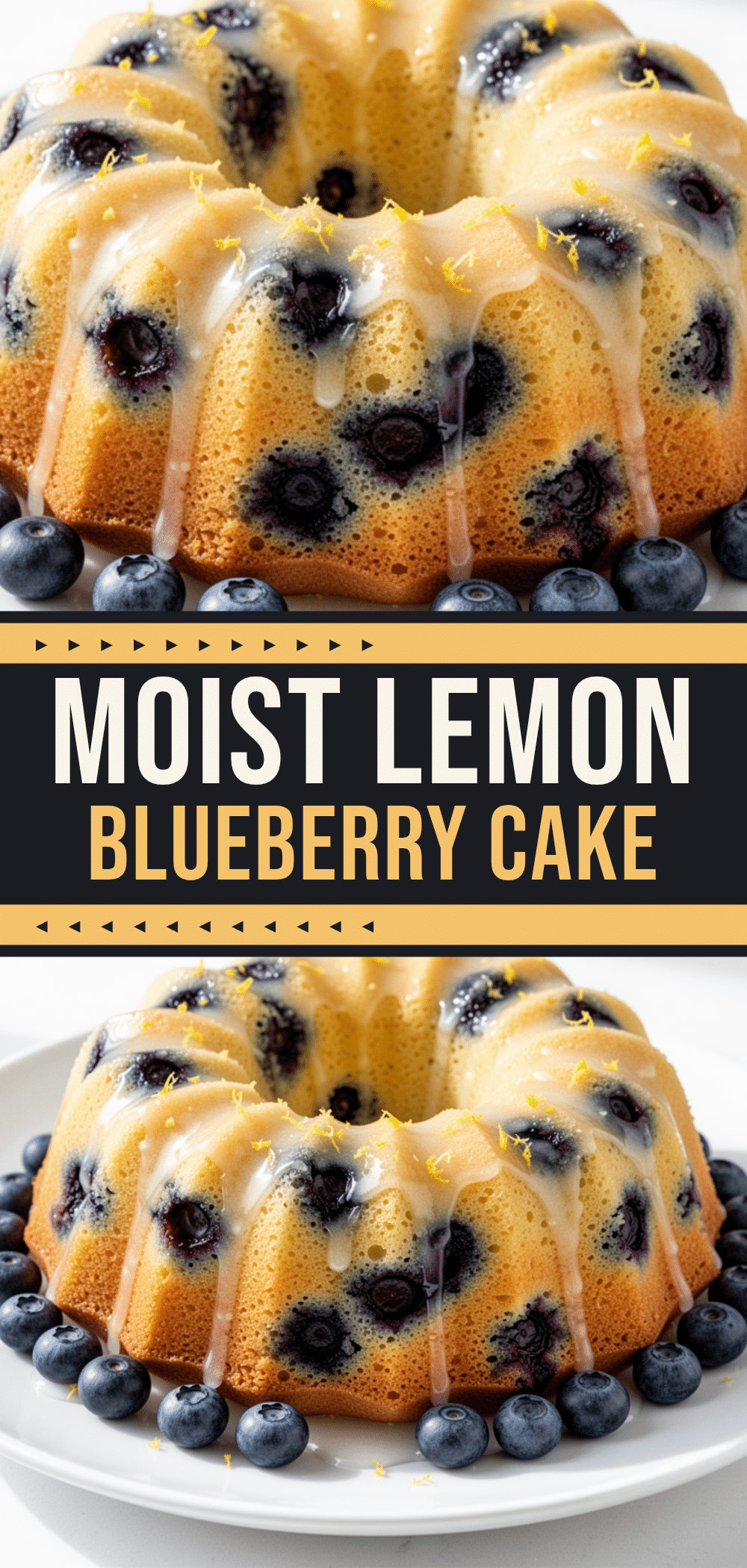
Lemon Blueberry Bundt Cake: Best Spring Dessert
- Total Time: 80 minutes
- Yield: 12 servings 1x
Description
A moist, tangy, and visually stunning spring dessert featuring fresh lemon zest, juicy blueberries, and a sweet lemon syrup soak. This make-ahead friendly Bundt cake is perfect for Easter, Mother’s Day, or any occasion.
Ingredients
- 1 cup (225g) unsalted butter, room temperature
- 1 ½ cups (300g) granulated sugar
- 4 large eggs, room temperature
- 2 ½ cups (315g) all-purpose flour
- 1 teaspoon baking powder
- ½ teaspoon baking soda
- ½ teaspoon salt
- 1 cup (240ml) buttermilk
- 1 teaspoon vanilla extract
- Zest of 3 large fresh lemons
- 1 teaspoon lemon extract (optional)
- 1 ½ cups (225g) fresh or frozen blueberries
- ½ cup (100g) granulated sugar (for syrup)
- ¼ cup (60ml) fresh lemon juice (for syrup)
- 2 tablespoons water (for syrup)
- 1 ½ cups (180g) confectioners’ sugar (for glaze)
- 2–3 tablespoons lemon juice (for glaze)
- 1 teaspoon lemon zest (for glaze garnish)
Instructions
- Preheat oven to 350°F (175°C). Generously grease a 12-cup Bundt pan with butter or shortening, rubbing it into every crevice, then dust with flour and tap out excess.
- In a medium bowl, whisk together the flour, baking powder, baking soda, and salt. Set aside.
- In a large bowl, beat the room-temperature butter and granulated sugar on medium-high speed for 4-5 minutes until pale and fluffy. Scrape down the sides of the bowl.
- Add eggs one at a time, beating well after each addition. Mix in vanilla extract and lemon extract.
- Reduce mixer speed to low. Add half of the flour mixture, then half of the buttermilk. Mix until just combined. Add remaining flour and buttermilk, mixing until just combined. Do not overmix.
- Gently fold in the lemon zest and blueberries using a spatula. If using frozen blueberries, toss them in 1 tablespoon of flour first.
- Pour batter into the prepared Bundt pan and smooth the top. Bake for 50-60 minutes, or until a toothpick inserted into the center comes out clean.
- While the cake bakes, make the syrup: Combine ½ cup sugar, ¼ cup lemon juice, and 2 tablespoons water in a small saucepan. Heat over medium heat until sugar dissolves, then simmer for 2 minutes.
- As soon as the cake is out of the oven, poke holes all over the top with a skewer. Brush the warm syrup over the hot cake.
- Let the cake cool in the pan for 10 minutes, then invert onto a cooling rack to cool completely.
- Whisk together confectioners’ sugar, 2 tablespoons lemon juice, and lemon zest. Add more juice if needed for a drizzly consistency. Pour over the cooled cake and let set for 10 minutes before serving.
Notes
Ensure butter and eggs are at room temperature for proper emulsion. Do not overmix the batter once flour is added to avoid a tough cake. The syrup must be applied while the cake is hot to ensure absorption. Cool the cake completely before glazing to prevent the glaze from melting. For frozen blueberries, do not thaw; toss in flour before folding in to prevent sinking.
- Prep Time: 20 minutes
- Cook Time: 60 minutes
- Category: Dessert
- Cuisine: American
Nutrition
- Serving Size: 1 slice
- Calories: 380
- Sugar: 38
- Sodium: 220
- Fat: 18
- Saturated Fat: 11
- Carbohydrates: 52
- Fiber: 1
- Protein: 4
Keywords: lemon blueberry bundt cake, spring dessert, bundt cake recipe, lemon cake, blueberry cake, make ahead dessert, easter dessert


