There is a specific kind of magic that happens in October. The air gets crisp, the leaves turn that brilliant shade of burnt orange, and my kitchen suddenly smells like cinnamon and woodsmoke. It’s my favorite season, hands down. But let’s be real—fall also means busy schedules. School runs, football games, and the general chaos of life don’t slow down just because the weather does.
Last weekend, I was staring at a pork roast in the fridge, feeling that familiar evening dread. I didn’t want to spend hours standing over the stove, and I definitely didn’t want to order takeout. I wanted something warm, comforting, and utterly effortless. So I threw together a slow cooker apple cider pork roast using ingredients I already had. I set the timer, went to help my kid with homework, and came back twenty minutes later because the house smelled like a cozy autumn bookstore.
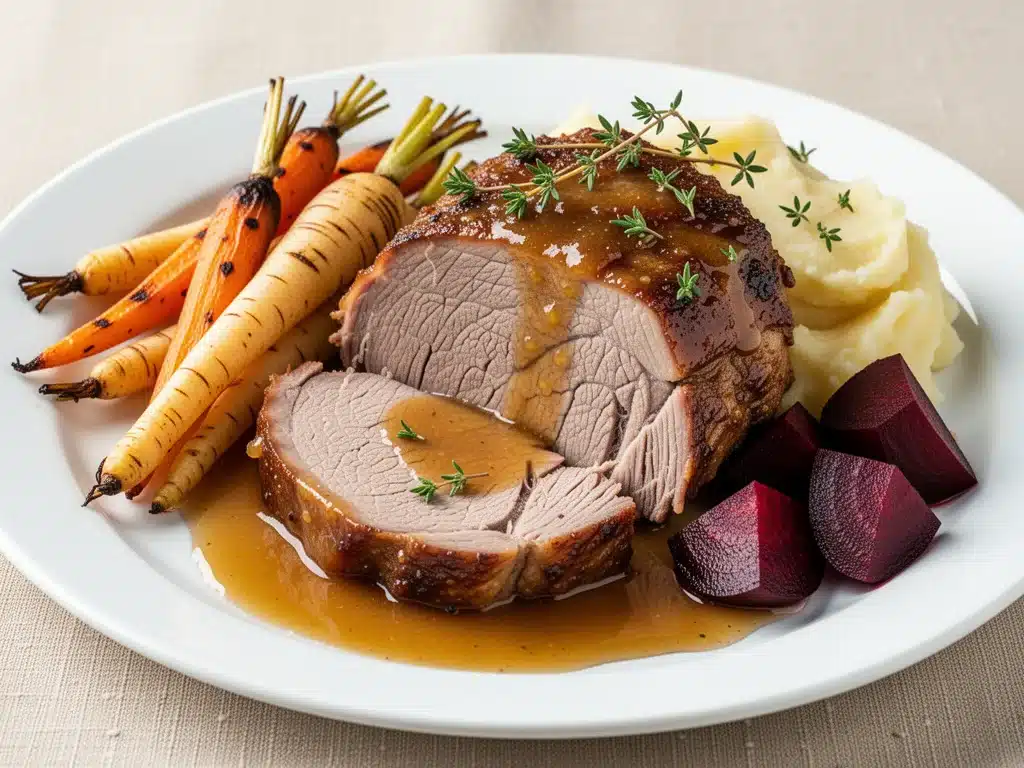
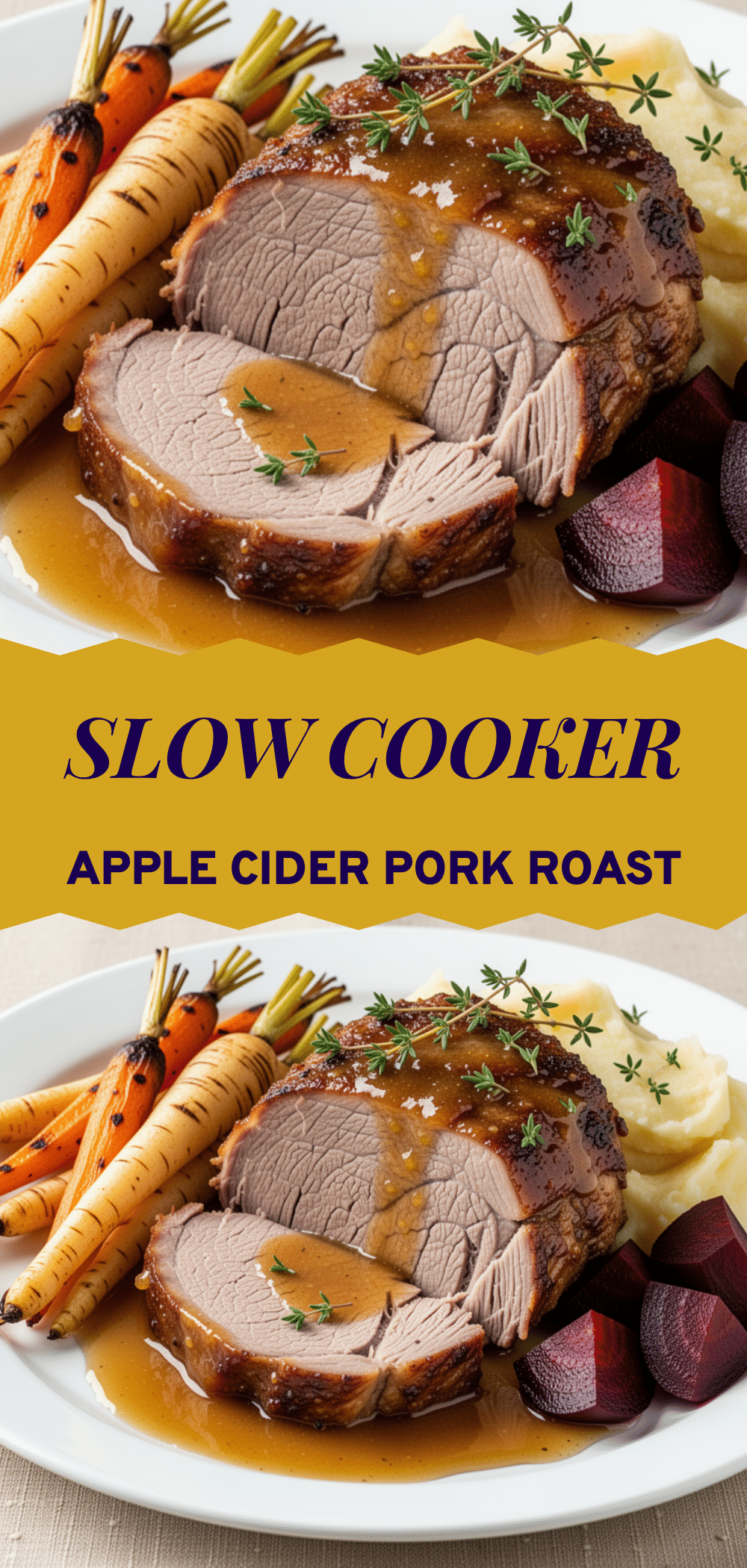
That was the moment I knew this had to be a regular thing. This slow cooker apple cider pork roast is the ultimate fall dinner. It’s tender, juicy, and coated in a glossy, sweet-savory glaze that tastes like it took all day. Spoiler alert: it doesn’t. It takes about ten minutes of active prep, and then your slow cooker does the heavy lifting. I’ve made this recipe at least a dozen times since that Saturday, tweaking the spice blend and the apple variety until it was perfect. It’s become my go-to when I need a dinner that feels fancy but requires zero stress.
If you’re looking for a way to bring that seasonal warmth to your table without the work, this is it. It’s simple, it’s seasonal, and it’s going to make your family ask for seconds. Trust me on this one.
Why You’ll Love This Recipe
There are a lot of pork recipes out there, but this slow cooker apple cider pork roast stands out for reasons that go beyond just “it tastes good.” It solves the biggest problem of weeknight cooking: the timing. Here’s why this has earned a permanent spot in my weekly rotation.
Set It and Forget It — Seriously, this is the easiest dinner I make. I chop a few apples, throw the pork in, pour in the cider, and hit start. I don’t need to babysit it. I don’t need to flip it. I can go for a walk, read a book, or finish my laundry. This is perfect for those days when you just want dinner to happen itself.
Flavor That Deepens — Slow cooking does something amazing to pork. It breaks down the connective tissue so the meat becomes fork-tender. But the real star here is the apple cider. As it simmers for hours, the liquid reduces and concentrates, creating a natural glaze that clings to every bite. It’s sweet, tart, and savory all at once. Better yet, the flavors actually get better the longer it sits, making it fantastic for leftovers.
Minimal Cleanup — I’m not kidding when I say this is a low-effort, high-reward meal. You’re basically just dumping ingredients into a crockpot. No dirty pans, no sautéing stations, no scrubbing grease off the stovetop. Just rinse the slow cooker insert and you’re done. My husband loves this recipe partly because I don’t complain about cleaning up after it.
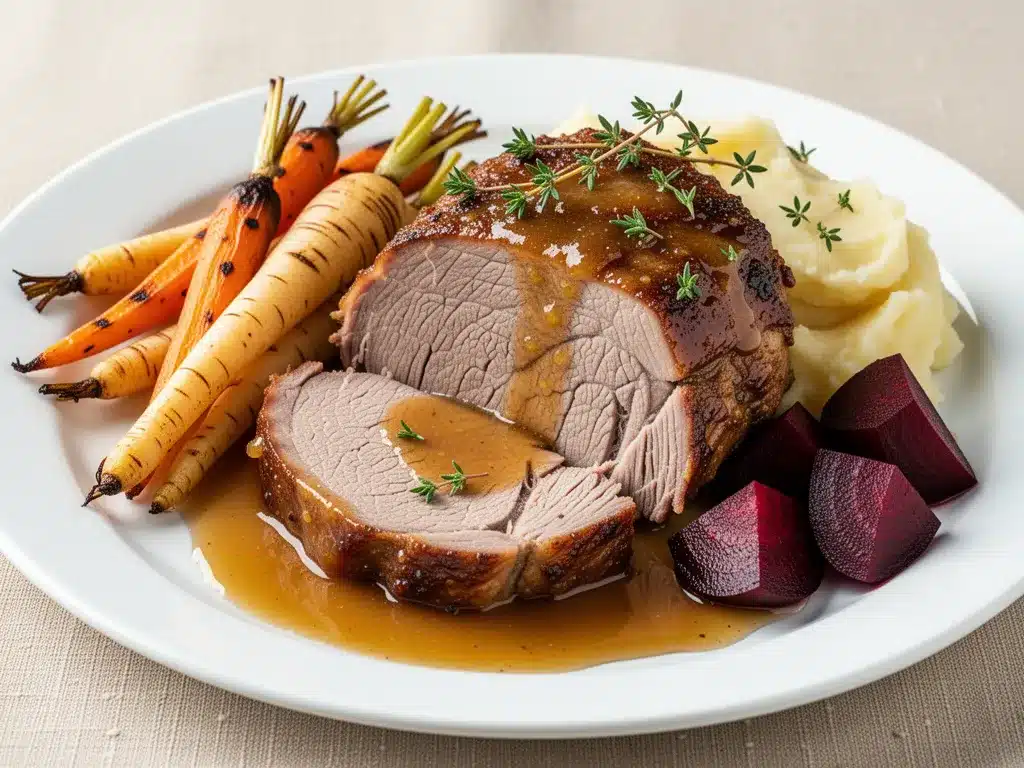
Seasonal Comfort — There’s something deeply satisfying about eating warm, hearty food when it’s chilly outside. This dish pairs perfectly with roasted vegetables or mashed potatoes. It feels like a hug on a plate. Plus, it’s great for hosting. I’ve served this to friends for casual dinners, and it always gets compliments. It looks impressive but requires almost no work.
This is my answer to “what’s for dinner” when I want something that feels special but I’m too tired to try a complicated recipe. It’s reliable, delicious, and totally stress-free.
Ingredients You’ll Need
Here’s the best part: you probably have most of these ingredients already. This slow cooker apple cider pork roast relies on simple, accessible components that come together to create something much bigger than the sum of its parts. I’m particular about a few things here, so pay attention to the details.
For the Roast:
Pork shoulder roast (or butt) (3-4 pounds / 1.4-1.8 kg) — This is the cut you want. It has enough fat to stay juicy during the long cook. A pork loin will dry out, so stick with the shoulder. If you can find a bone-in roast, that adds extra flavor, but boneless works fine too. Look for one that’s fairly uniform in shape so it cooks evenly.
Apple cider (2 cups / 480ml) — Use real, 100% apple cider, not “apple drink” or “apple juice cocktail.” You want the authentic, tart-sweet flavor of pressed apples. Winterized cider (the darker, spicier kind) is even better if you can find it, but standard fall cider works perfectly. This is the cooking liquid that turns into the sauce.
Dry mustard (1 tablespoon / 15g) — This adds a subtle heat and tang that cuts through the sweetness of the cider. It’s an unsung hero in pork recipes. Don’t skip it.
Garlic powder (1 teaspoon / 5g) — Saves time over mincing fresh cloves, and it distributes evenly. If you have fresh garlic, you can use 3-4 cloves minced, but powder is easier.
Onion powder (1 teaspoon / 5g) — Adds depth without making the sauce watery. Fresh onions can work, but they release water that might thin the sauce too much.
Ground cinnamon (1 teaspoon / 2g) — Warm, sweet, and essential for that fall vibe. Don’t use too much or it’ll taste like dessert. We want a savory-sweet balance.
Salt and black pepper (to taste) — Use kosher salt for better control. Generously season the pork before searing.
For the Apples:
Apples (3 medium, sliced / about 450g) — Use a firm apple that holds its shape. Honeycrisp, Fuji, or Braeburn are great choices. Granny Smith works if you like it tartier. Avoid Red Delicious—they turn to mush. Slice them into quarter-inch wedges.
For the Glaze (Optional but Recommended):
Maple syrup (2 tablespoons / 30ml) — Adds richness and a deeper sweetness than sugar.
Apple cider vinegar (1 tablespoon / 15ml) — A splash of acidity to brighten the glaze. Balances the sugar.
Butter (1 tablespoon / 15g) — Whisked into the glaze at the end for a silky finish.
Flour or cornstarch (1 tablespoon) — To thicken the glaze if you want it saucier.
Tip: I always keep a bottle of good apple cider in the fridge during fall. It’s great for drinking, but this recipe is why I stock up. If you can’t find cider, you can use apple juice, but the flavor won’t be as intense.
Equipment Needed
You don’t need fancy gadgets for this. Here’s what I actually use, and some alternatives if you’re missing something.
Slow Cooker — A 6-quart slow cooker is ideal for a 3-4 pound roast. It fits comfortably with room for the apples. If you have a 4-quart, you might need to cut the pork in half or use fewer apples. My old Crock-Pot from ten years ago still works fine; it doesn’t need to be new.
Searing Pan — A cast-iron skillet or stainless steel pan works best. You’re searing the pork to add flavor (Maillard reaction, but I don’t like using that term). If you don’t sear, you can skip this, but I highly recommend it for better taste.
Sharp Knife — For slicing the apples and trimming any excess fat from the pork. A dull knife will crush the apples. I use a standard chef’s knife.
Measuring Cups and Spoons — Standard stuff. I use the metal ones because they’re durable.
Whisk — For mixing the glaze ingredients if you’re making the thickened sauce.
Spatula — To transfer the pork and apples into the slow cooker.
Optional: Meat Thermometer — The best tool for ensuring perfect doneness. Pork is safe at 145°F (63°C), but for fall-off-the-bone tenderness, aim for 190-200°F (88-93°C).
Tip: Don’t have a searing pan? You can skip the sear, but the flavor won’t be as deep. I learned this the hard way one time when I was in a rush. The pork was still good, but not *great*.
How to Make It: Step-by-Step
Alright, let’s make this! I’m walking you through exactly how I do it, including the little tricks I’ve picked up over the years. It’s simple, but the details matter.
Step 1: Prep the Pork (5 minutes)
Take your pork shoulder out of the fridge and pat it dry with paper towels. This is crucial for a good sear. Moisture is the enemy of browning. Trim any large chunks of fat, but leave some—it keeps the meat juicy. Season generously with salt and pepper on all sides. I use about a teaspoon of salt and half a teaspoon of pepper.
Step 2: Sear the Pork (5-7 minutes)
Heat your skillet over medium-high heat with a tablespoon of oil. When the oil shimmers, add the pork. Don’t crowd the pan. Sear for 2-3 minutes on each side until you get a deep brown crust. This step adds so much flavor. It’s not just for looks. You’re building a flavor base. If your pan isn’t big enough, sear in batches. Don’t rush this.
Step 3: Layer the Slow Cooker (3 minutes)
While the pork sears, slice your apples into wedges. In the bottom of your slow cooker, spread the apple slices evenly. They’ll act as a rack for the pork and infuse the meat with apple flavor as it cooks. If you’re using a bone-in roast, place the bone down.
Step 4: Combine and Cook (6-8 hours)
Place the seared pork on top of the apples. In a small bowl, whisk together the apple cider, dry mustard, garlic powder, onion powder, and cinnamon. Pour this mixture over the pork. It should come about halfway up the side of the roast. Cover and cook on LOW for 6-8 hours. If you’re short on time, you can cook on HIGH for 4-5 hours, but LOW gives better texture. The pork is done when it’s fork-tender and pulls apart easily.
Step 5: Make the Glaze (5 minutes)
Once the pork is done, carefully remove it to a cutting board and tent it with foil. Pour the cooking liquid from the slow cooker into a saucepan. Skim off any excess fat from the surface. Bring it to a simmer. In a small bowl, whisk the flour or cornstarch with a little cold water to make a slurry. Stir this into the simmering liquid. Let it bubble for 2-3 minutes until thickened. Stir in the maple syrup, vinegar, and butter. This is your glaze.
Step 6: Slice and Serve
Slice the pork against the grain into thick chunks or pull it apart with forks. Drizzle the warm glaze over the top. Serve with the tender apples and extra sauce on the side. Garnish with fresh parsley or thyme if you have it.
Troubleshooting: If the sauce is too thin, let it simmer longer. If it’s too thick, add a splash of water or cider. If the pork is still tough, cook it for another hour.
Expert Tips & Tricks
Here’s everything I’ve learned from making this slow cooker apple cider pork roast dozens of times. These tips will save you from my mistakes.
Don’t Skip the Sear
I know it’s an extra step, but searing the pork creates a rich, caramelized crust that adds depth. Without it, the dish tastes boiled. I’ve made it both ways, and the seared version is objectively better. It’s worth the five minutes.
Use Real Cider
Apple juice is too sweet and lacks the tartness of cider. Look for “100% apple cider” in the produce section or near the juices. Avoid “apple drink” or “apple cocktail.” The flavor difference is night and day. If you can’t find fresh cider, frozen concentrated cider works in a pinch.
Choose the Right Apples
Soft apples like McIntosh will disintegrate into applesauce. Use firm varieties like Honeycrisp, Fuji, or Granny Smith. They hold their shape and provide a nice texture contrast to the tender pork.
Rest the Meat
After removing the pork from the slow cooker, let it rest for 10-15 minutes before slicing. This allows the juices to redistribute. If you cut it immediately, the juices run out, and the meat dries out. Patience pays off.
Thicken the Sauce
The cooking liquid is thin at first. Don’t panic. Simmer it down with a slurry to create a glossy, restaurant-quality glaze. This step transforms the dish from “pot roast” to “special occasion meal.”
Common Mistakes:
– Sauce is too runny: You didn’t simmer it long enough or didn’t use enough thickener. Keep simmering.
– Pork is dry: You used a loin instead of a shoulder, or you cooked it on HIGH for too long. Stick with the shoulder and use LOW.
– Apples are mushy: You used the wrong variety. Stick to firm apples.
Variations & Substitutions
Once you’ve nailed the basic version, here’s how you can mix it up. I’ve tried all of these.
Savory Herb Version
Swap the cinnamon for fresh thyme and rosemary. Skip the maple syrup. Add a splash of white wine instead of some of the cider. This is great for a more savory, less sweet profile.
Spicy Kick
Add a pinch of cayenne pepper or red pepper flakes to the cider mixture. Or swap the maple syrup for hot honey. This pairs well with the sweetness.
Gluten-Free
Use cornstarch instead of flour to thicken the glaze. Everything else is naturally gluten-free. I use cornstarch anyway because it gives a clearer shine.
Dairy-Free
Skip the butter in the glaze. Use olive oil or coconut oil instead. The dish is still rich and flavorful without it.
Vegetarian Swap
You can use a large portobello mushroom cap or a block of firm tofu instead of pork. Marinate it in the cider mixture first. It won’t be the same, but it’s a good option for vegetarians.
Side Dish Pairings
This goes great with mashed potatoes, roasted Brussels sprouts, or buttered egg noodles. I also like it with grandma’s bread pudding for dessert—a perfect fall meal.
Serving & Storage
How to Serve:
I usually serve this straight from the slow cooker with a ladle of sauce. It looks rustic and stays warm. Pair it with creamy mashed potatoes to soak up the glaze. A simple green salad with a vinaigrette balances the richness.
Refrigerator:
Store leftovers in an airtight container for up to 3 days. The pork and apples keep well. The sauce thickens in the fridge.
Reheating:
Reheat gently in a skillet over low heat with a splash of water or cider. This prevents drying out. You can also microwave it, but add a splash of liquid and cover it. The texture might change slightly, but it’s still good.
Freezing:
Yes, you can freeze this! Freeze the pork and apples separately from the sauce. The sauce can separate when thawed, so reheat it gently and whisk it to recombine. It keeps for up to 3 months.
Pro Tip:
Make the glaze ahead of time. Store it in the fridge and reheat it when you’re ready to serve. It saves time on busy nights.
Nutrition Information
I’m not a nutritionist, but here’s the breakdown if you’re tracking. This is per serving (based on 6 servings).
- Calories: 450
- Protein: 35g
- Carbs: 25g
- Fiber: 3g
- Sugar: 18g
- Fat: 22g
- Saturated Fat: 8g
- Cholesterol: 95mg
- Sodium: 320mg
What’s Good:
High in protein, good source of vitamins from the apples. The cider adds antioxidants.
What to Know:
Higher in calories due to the pork fat and added glaze. Contains natural sugars from the cider and apples. Moderate sodium.
My Take:
This is comfort food. It’s not a diet recipe, but it’s wholesome and made from scratch. When I want to make it lighter, I use less maple syrup and skip the butter in the glaze. But usually? I just enjoy a reasonable portion.
Final Thoughts
So that’s my go-to slow cooker apple cider pork roast! I’ve probably talked your ear off at this point, but when you make a recipe this often, you have a lot to say about it. This dish has saved weeknight dinners more times than I can count. It’s my answer to “what’s for dinner” when I’m tired, don’t want takeout, and still want something that tastes really good. My kids are happy, my husband’s happy, and I’m happy because I’m not stressed about cooking.
Make it yours! Try different apple varieties, adjust the spices, or swap in your favorite sides. The best recipes are the ones you adapt to your family’s tastes. If you make this, drop a comment and let me know what you think! I love hearing how recipes turn out in your kitchen. And if something doesn’t work, tell me that too—I’m here to help troubleshoot.
Happy cooking! And I hope your kitchen smells half as good as mine does right now.
Frequently Asked Questions
Can I use apple juice instead of cider?
You can, but the flavor won’t be as intense. Apple juice is sweeter and less tart. If you use juice, add a splash of apple cider vinegar to balance the sweetness. I prefer real cider for the authentic fall flavor, but juice works in a pinch.
How do I know when the pork is done?
The best way is to use a meat thermometer. For tender, pull-apart pork, aim for an internal temperature of 190-200°F (88-93°C). You can also test it with a fork—it should slide in and out with no resistance. If it’s still tough, cook it for another hour.
Can I make this ahead of time?
Yes! You can prep the pork and apples the night before and store them in the slow cooker insert in the fridge. In the morning, just pour in the cider and hit start. This is great for busy mornings. Just make sure the pork is cold when you start cooking to ensure even heating.
Why is my sauce too thin?
Slow cookers retain moisture, so the liquid doesn’t reduce as much as in an oven. To fix this, remove the pork and simmer the liquid in a saucepan on the stove. Add a cornstarch slurry (1 tbsp cornstarch + 1 tbsp cold water) and stir until thickened. This takes about 5 minutes.
Can I freeze the leftovers?
Absolutely. Freeze the pork and apples in an airtight container for up to 3 months. The sauce can be frozen separately, but it may separate when thawed. Reheat the sauce gently and whisk it to recombine. The pork stays moist and delicious after freezing.
What sides go well with this?
I love serving this with creamy mashed potatoes, roasted Brussels sprouts, or buttered egg noodles. A simple green salad with a tangy vinaigrette also balances the richness. For dessert, I sometimes make grandma’s bread pudding to keep the fall theme going.
Can I use a pork loin instead of shoulder?
I don’t recommend it. Pork loin is lean and can dry out during a long slow cook. Pork shoulder (butt) has more fat and connective tissue, which breaks down into tender, juicy meat. If you must use loin, reduce the cooking time and check it early.
Pin This Recipe!
Slow Cooker Apple Cider Pork Roast: 5-Ingredient Easy Fall Dinner
- Total Time: 6 hours 20 minutes
- Yield: 6 servings 1x
Description
This effortless slow cooker pork roast features tender, fall-apart meat coated in a glossy, sweet-savory apple cider glaze. It requires minimal prep time and delivers maximum comfort for busy weeknights.
Ingredients
- 3–4 pounds pork shoulder roast (or butt)
- 2 cups 100% apple cider
- 1 tablespoon dry mustard
- 1 teaspoon garlic powder
- 1 teaspoon onion powder
- 1 teaspoon ground cinnamon
- Salt and black pepper (to taste)
- 3 medium firm apples (Honeycrisp, Fuji, or Braeburn), sliced into wedges
- 2 tablespoons maple syrup (for glaze)
- 1 tablespoon apple cider vinegar (for glaze)
- 1 tablespoon butter (for glaze)
- 1 tablespoon flour or cornstarch (for glaze)
Instructions
- Pat the pork shoulder dry and trim excess fat. Season generously with salt and pepper.
- Heat oil in a skillet over medium-high heat. Sear the pork on all sides for 2-3 minutes per side until browned. Remove and set aside.
- Slice apples into quarter-inch wedges and spread them evenly in the bottom of a 6-quart slow cooker.
- Place the seared pork on top of the apples.
- In a bowl, whisk together apple cider, dry mustard, garlic powder, onion powder, and cinnamon. Pour over the pork.
- Cover and cook on LOW for 6-8 hours or HIGH for 4-5 hours, until pork is fork-tender.
- Remove pork to a cutting board and tent with foil. Pour cooking liquid into a saucepan and skim off excess fat.
- Whisk flour or cornstarch with a little cold water to make a slurry. Stir into the simmering liquid and cook until thickened.
- Stir in maple syrup, apple cider vinegar, and butter to create the glaze.
- Slice or shred the pork and serve drizzled with the warm glaze and apples.
Notes
Do not skip searing the pork for better flavor. Use firm apples that hold their shape. Pork is safe at 145°F but should reach 190-200°F for fall-off-the-bone tenderness. Leftovers keep in the fridge for 3 days or freeze for 3 months.
- Prep Time: 15 minutes
- Cook Time: 6-8 hours
- Category: Main Course
- Cuisine: American
Nutrition
- Serving Size: Approximately 1/6 of
- Calories: 450
- Sugar: 18
- Sodium: 320
- Fat: 22
- Saturated Fat: 8
- Carbohydrates: 25
- Fiber: 3
- Protein: 35
Keywords: slow cooker, pork roast, apple cider, fall dinner, easy recipes, comfort food, one pot meal


