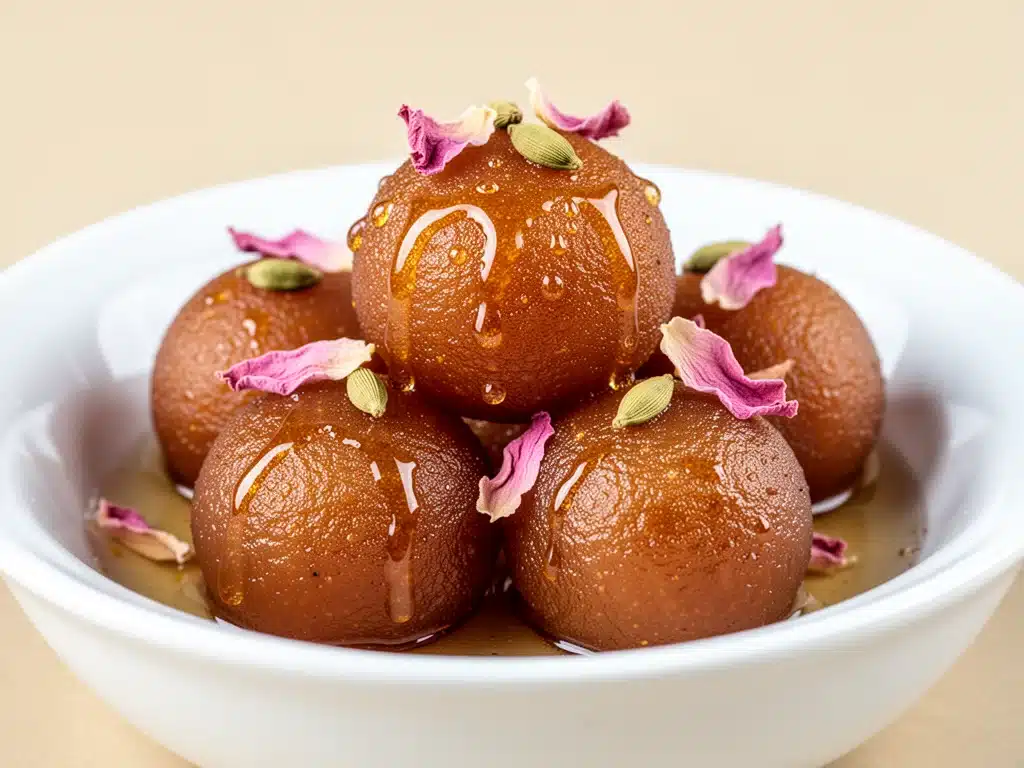
I still remember the first time I ate a proper, homemade gulab jamun. It wasn’t from a restaurant. It was from my neighbor Mrs. Gupta, who had this way of making you feel like you were family the moment you crossed her threshold. She was stirring a huge pot of sugar syrup when I walked in, and the smell hit me first—cardamom, rose water, and warm, fried dough. It was intoxicating.
She handed me a small plate with two golden-brown balls soaking in that sticky syrup. I blew on them, took a bite, and honestly? I stopped breathing for a second. The outside was crisp but yielded instantly, and the inside was so soft it felt like biting into a warm cloud. It wasn’t just sweet; it was complex. The cardamom lingered, the rose water made my head spin, and the texture was unlike anything I’d ever had from a bakery. They don’t make them like that anymore. Store-bought ones are dense, dry, and usually swimming in syrup that’s just plain sugar water with no aroma.
I’ve been chasing that Mrs. Gupta moment for years. I’ve failed. A lot. I’ve made dough that cracked, balls that exploded in the oil, and syrup that turned into hard candy. But after countless attempts, tweaking ratios, and testing different flours, I finally cracked the code. This is my go-to Indian Style Gulab Jamun recipe. It’s not traditional in the sense that I use all-purpose flour instead of khoya (milk solids), which makes it way more accessible for home cooks who don’t have an Indian grocery store on every corner. But the result? It’s just as good. Maybe even better, because I’ve optimized it for reliability.
There is something deeply satisfying about pulling these out of the fryer and plunging them into that warm, spiced syrup. It’s comfort food at its absolute peak. If you’re looking for a dessert that stops people in their tracks, look no further. This easy dessert recipe might take a little patience, but I promise you, the reward is worth every minute. And hey, if you’re feeling overwhelmed by the frying part, just remember: I’ve been there. Let’s get you to that perfect golden brown.
Why You’ll Love This Homemade Gulab Jamun
Okay, so why make these when you can just grab a box from the store? Here’s the real talk. Store-bought gulab jamun are fine for a quick snack, but they lack soul. They lack aroma. They lack that “wow” factor. Making them at home changes the game completely.
- They Taste Like a Dream — The difference between homemade and store-bought is night and day. Homemade ones are airy, spongy, and infused with real cardamom and rose. You can taste the quality of the ingredients. It’s not just sugar; it’s flavor.
- Customizable Sweetness — When you make the syrup yourself, you control the sweetness. Store-bought ones are often cloyingly sweet because they use cheap syrup. With this Indian Style Gulab Jamun recipe, you can adjust the sugar to your liking. I like it sweet, but not tooth-rotting sweet.
- No Weird Additives — I don’t know what’s in those pre-made balls, but it’s probably a list of preservatives you can’t pronounce. Here, it’s just flour, milk powder, baking soda, and butter. Clean, simple ingredients.
- Perfect for Any Occasion — Whether it’s Diwali, a birthday, or just a Tuesday night craving, these fit everywhere. They’re elegant enough for a dinner party but casual enough for a movie night. Unlike grandma’s bread pudding, which is great for breakfast or brunch, these are strictly dessert royalty.
- The Aroma Fills Your House — There’s nothing quite like the smell of frying dough and spiced syrup. It makes your home feel warm and inviting. Guests will ask what you’re cooking before they even sit down.
This is the dessert that gets you invited back. I’ve served these at potlucks, weddings, and casual hangouts, and they always disappear first. People will stop you and ask for the recipe. Trust me, they’ll remember you.
Ingredients You’ll Need
Don’t let the ingredient list scare you. Most of this is pantry staples or things you can find at any major grocery store. I’m breaking it down into two parts: the dough balls and the syrup. You need to get both right for the best Indian Style Gulab Jamun.
For the Dough Balls
All-Purpose Flour (1 cup / 120g) — This is your base. Don’t use cake flour or whole wheat. You need all-purpose for that specific chew and structure. I use King Arthur Brand because it’s consistent, but any standard AP flour works.
Baking Powder (1/2 teaspoon) — This is crucial. It creates the air pockets that make the balls spongy. Without it, they’ll be dense bricks. Make sure it’s fresh! Old baking powder = flat jamun.
Baking Soda (1/4 teaspoon) — A little bit helps with browning and gives that slight tang. Don’t skip it, but don’t add extra or they’ll taste metallic.
Milk Powder (1/4 cup / 25g) — This is the secret ingredient. Since I’m not using khoya (which is hard to find), milk powder gives that rich, milky flavor and helps bind the dough. Skim milk powder works, but whole milk powder is creamier. I keep a tin in my pantry specifically for this.
Butter (2 tablespoons / 30g), softened — Room temperature butter, not melted. Rub it into the dry ingredients with your fingers. This creates a tender crumb. Margarine? No. Real butter only.
Milk (2-3 tablespoons) — You’ll add this gradually to bring the dough together. It depends on your flour’s humidity. Start with 2 tablespoons and add more only if needed.
Cardamom Powder (1/2 teaspoon) — Freshly ground is best. If you only have pods, crush them and sift out the shells. Pre-ground cardamom loses its flavor fast, so buy whole pods if you can.
For the Sugar Syrup
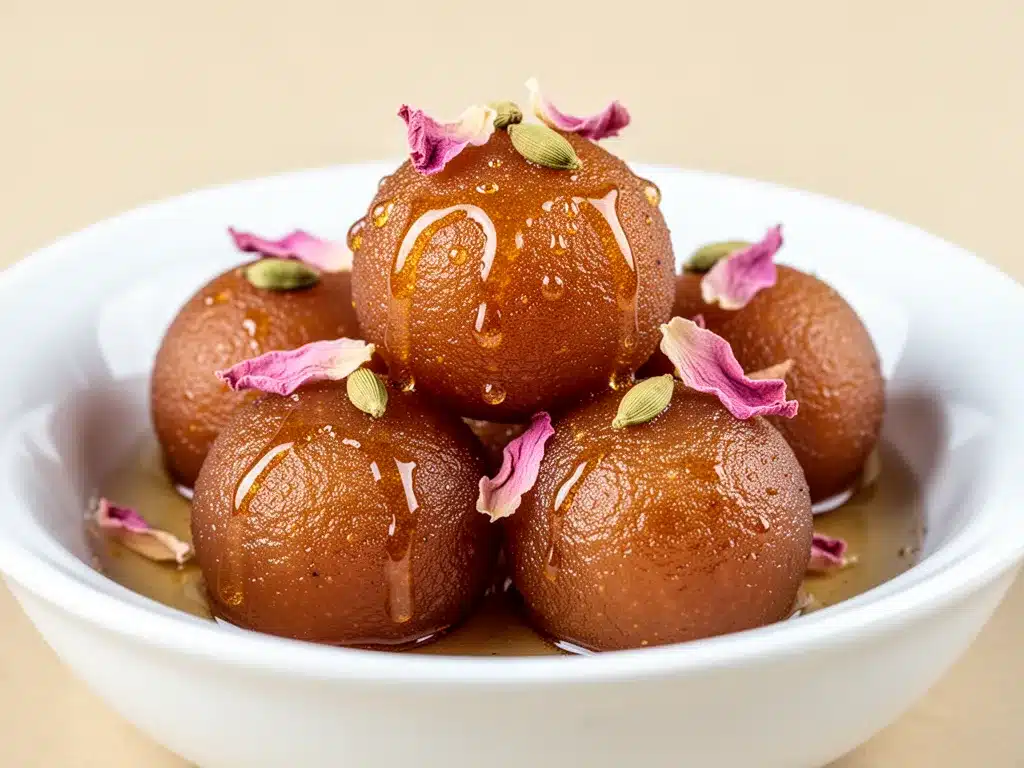
Granulated Sugar (1 1/2 cups / 300g) — Standard white sugar. No need for fancy sugars here.
Water (1 cup / 240ml) — Just enough to dissolve the sugar.
Cardamom Pods (3-4 pods), crushed — Crush them lightly to release the oils. You’ll fish these out later, so don’t powder them.
Rose Water (1-2 teaspoons) — This is non-negotiable for the authentic taste. Use food-grade rose water, not perfume. I love the brand Rose Essential Oil from local Indian stores, but any grocery store brand works. A little goes a long way.
Saffron Strands (a pinch, optional) — For color and a luxurious flavor. I usually add this if I’m making these for guests. It turns the syrup a gorgeous yellow-orange.
Equipment Needed
You don’t need fancy gadgets for this. Here’s what I actually use in my kitchen.
Medium Saucepan — For making the syrup. I use a 2-quart pot. It needs to be wide enough so the gulab jamun have room to soak without crowding.
Deep Frying Pan or Kadhai — I prefer a heavy-bottomed pan because it holds heat evenly. Cast iron is great, but stainless steel or non-stick works too. You need enough depth to submerge the balls in oil.
Candy Thermometer (Optional but Helpful) — For the syrup, knowing the “one-string” consistency is key. If you don’t have one, I’ll teach you the finger test in the steps.
Slotted Spoon — For transferring the fried balls into the syrup. A spider strainer works too.
Bowl for Dough — Any medium bowl. I like mixing it by hand to feel the texture.
Parchment Paper — Not for the recipe, but for cleaning up. I put it under my prep area because sugar syrup is sticky and hard to scrub.
How to Make It: Step-by-Step
Alright, let’s get into the kitchen. Making Indian Style Gulab Jamun is a process, but if you follow these steps, you’ll nail it. I’m including the tricks I learned so you don’t make my mistakes.
Step 1: Make the Sugar Syrup First
In a saucepan, combine the sugar and water. Add the crushed cardamom pods and saffron (if using). Stir gently to wet the sugar, then turn the heat to medium-high. Bring it to a boil. Once it boils, reduce the heat to low and let it simmer for 5-7 minutes. You’re looking for a “one-string” consistency. To test this, take a little syrup on your finger and rub it between your thumb and index finger. If a single thread of sugar forms, it’s ready. If it breaks immediately, keep simmering. If it’s too thick, add a splash of water. Remove from heat and stir in the rose water. Set aside. It needs to stay warm for soaking.
Step 2: Mix the Dry Ingredients
In a large bowl, whisk together the all-purpose flour, baking powder, baking soda, and cardamom powder. Make sure there are no lumps. This ensures even rising in every bite. Add the milk powder and mix again.
Step 3: Rub in the Butter
Add the softened butter to the dry mix. Use your fingertips to rub the butter into the flour until it looks like coarse crumbs. This step is important for texture. It should take about 2-3 minutes. Your hands will get a little messy, but that’s part of the fun.
Step 4: Form the Dough
Gradually add milk, one tablespoon at a time. Mix gently with your hand. Do NOT overwork the dough. If you knead it too much, the gluten develops, and the balls will become hard. You want a soft, pliable dough that doesn’t stick to your hands. It should be softer than normal cookie dough. If it’s too sticky, add a tiny bit more flour. If it’s too dry, add a few more drops of milk. Cover the dough with a damp cloth and let it rest for 15 minutes. This relaxes the gluten and makes rolling easier.
Step 5: Shape the Balls
Take a small portion of dough (about the size of a walnut) and roll it between your palms to form a smooth, crack-free ball. This is the hardest part. If the dough cracks, it means it’s too dry. Add a drop of milk and re-roll. Make sure there are no air pockets inside. Press gently but firmly. Place the shaped balls on a plate. Repeat with the rest of the dough. You should get about 12-15 balls.
Step 6: Fry the Gulab Jamun
Heat oil in your deep pan over medium-low heat. This is critical. If the oil is too hot, the outside will burn before the inside cooks. If it’s too cold, they’ll absorb too much oil. Test the oil by dropping a tiny piece of dough in. If it rises slowly and steadily, the temperature is perfect. Fry the balls in batches. Don’t overcrowd the pan. Gently slide them in and stir occasionally with a slotted spoon to ensure even browning. Fry for 8-10 minutes until they are a deep, rich golden brown. They should feel firm but slightly soft when you press them gently.
Step 7: Soak in Syrup
As soon as the balls are fried, remove them with a slotted spoon and immediately drop them into the warm sugar syrup. Let them soak for at least 30 minutes. This is where the magic happens. The balls will expand and absorb the syrup, becoming soft and juicy. You can soak them for up to 4 hours, but don’t leave them overnight or they might get too soggy.
Step 8: Serve
Serve warm or at room temperature. Garnish with a few slivers of pistachio or a petal of rose if you want to be fancy. These are best eaten fresh, but they keep well in the fridge.
Expert Tips & Tricks
Here’s everything I’ve learned from making this dozens of times. These tips will save you from my mistakes.
Low and Slow Frying — I cannot stress this enough. Medium-low heat. If you rush the frying, you’ll end up with hard centers and burnt outsides. Be patient. It’s better to fry slowly than to ruin a batch.
No Cracks Allowed — If your dough cracks when rolling, it’s too dry. Gulab jamun need to be smooth to absorb the syrup properly. A cracked ball will leak syrup and stay hard inside.
Warm Syrup, Warm Balls — Always soak the fried balls in warm syrup. If the syrup is cold, the balls won’t absorb it well. If the balls are cold, they’ll shrink. Temperature match is key.
One-String Consistency — Don’t guess the syrup thickness. If it’s too thin, the balls will be watery. If it’s too thick (like honey), the syrup will harden on the outside and won’t soak in. The one-string test is your friend.
Rest the Dough — Skipping the 15-minute rest makes rolling harder and can lead to dense balls. Give your dough a break.
Common Mistakes
- Balls Exploding in Oil: This happens if there are air pockets inside. Roll them tightly and press out any air.
- Dark Brown/Black Balls: Heat was too high. Next time, lower the flame.
- Hard Centers: Undercooked inside. Fry longer on low heat.
Variations & Substitutions
Once you’ve nailed the basic version, here’s how you can mix it up. I’ve tried all of these.
Khoya Style — If you can find khoya (mawa), you can use that instead of milk powder. It’s the traditional way. Mix 1 cup crushed khoya with 1/2 cup flour and a little baking powder. It’s richer and more authentic, but harder to find.
Vegan Gulab Jamun — Substitute butter with vegan butter or coconut oil. Use plant-based milk powder and almond milk. The syrup stays the same. They’re just as good!
Cardamom-Free — If you’re not a fan of cardamom, you can skip it, but I don’t recommend it. It’s the heart of the flavor. If you must, add a little vanilla extract to the dough.
Extra Spiced — Add a pinch of nutmeg or cloves to the dough for a winter vibe. It pairs beautifully with the rose water.
Gluten-Free — Use a 1:1 gluten-free flour blend. The texture might be slightly different, but it still works. You might need a bit more milk.
Serving & Storage
How to Serve: I usually serve these straight from the syrup, with a spoon. They’re messy, so have napkins ready! They go great with a scoop of vanilla ice cream or rabri (thickened sweet milk). I also like them with a cup of strong masala chai. It’s the perfect combination.
Side Dishes: Unlike savory dishes like slow cooker beef and barley stew, which is a hearty meal, these are pure dessert. Pair them with light teas or coffees.
Refrigerator: Store in an airtight container in the fridge for up to 5 days. The syrup will keep them moist. Bring to room temperature before serving.
Freezing: You can freeze the fried balls (without syrup) for up to 1 month. Thaw them at room temperature and then soak in warm syrup before serving. They won’t be as perfect as fresh, but they’re close.
Pro Tip: If you’re making these for a party, fry the balls ahead of time and store them in the fridge. Soak them in warm syrup 30 minutes before serving. This saves you stress during the event.
Nutrition Information
I’m not a nutritionist, but here’s the breakdown if you’re tracking. Keep in mind, this is a dessert, so it’s high in sugar and carbs.
Per Serving (based on 4 balls):
- Calories: 350
- Protein: 4g
- Carbs: 55g
- Fiber: 1g
- Sugar: 40g
- Fat: 12g
- Saturated Fat: 6g
What’s Good: It provides quick energy. The cardamom has some digestive benefits. It’s a treat, so enjoy it mindfully.
What to Know: High in sugar. If you’re watching your sugar intake, enjoy a smaller portion or share with friends. It’s not a health food, but it’s made with real ingredients.
Final Thoughts
So that’s my go-to Indian Style Gulab Jamun! I’ve probably talked your ear off at this point, but when you make a recipe this often, you have a lot to say about it. These have saved my social life more times than I can count. They’re my answer to “what dessert should I bring?” when I want to impress without spending hours in the kitchen.
My family loves them. My friends beg for them. And honestly? I love making them. There’s something meditative about rolling the balls and watching them turn golden in the oil. It’s a process, yes, but it’s a rewarding one. The first bite is worth it. I promise.
Make it yours! Try different spices, adjust the sweetness, or add nuts. The best recipes are the ones you adapt to your tastes. If you make this, drop a comment and let me know how they turned out! I love hearing how recipes work in your kitchen. And if something doesn’t work, tell me that too—I’m here to help troubleshoot.
Happy cooking! And I hope your kitchen smells as amazing as mine does right now.
Frequently Asked Questions
Can I use khoya instead of milk powder?
Yes! In fact, that’s the traditional way. If you have khoya, crush it finely and mix it with flour and baking powder. You won’t need as much milk because khoya is moist. Start with less milk and add only if needed. It makes a richer, more authentic taste.
Why did my gulab jamun turn out hard?
This usually happens for three reasons: 1) The dough was over-kneaded, developing too much gluten. 2) The oil was too hot, burning the outside before the inside cooked. 3) The balls were too large. Make sure to roll them small and fry on low heat. Also, ensure your dough is soft and pliable.
Can I make the syrup ahead of time?
Absolutely. Make the syrup up to 2 days ahead and store it in the fridge. Reheat it gently before soaking the balls. Just remember to add the rose water after reheating, as the heat can evaporate the delicate flavor.
Why did my gulab jamun crack while frying?
Cracking happens if the dough is too dry or if there are air pockets inside. Make sure your dough is soft and smooth. When rolling, press out any air bubbles. If the dough is sticking to your hands, add a tiny bit of flour, but don’t overdo it.
Can I bake these instead of frying?
You can, but they won’t have the same texture. Baked gulab jamun are lighter and less rich. To bake, brush the balls with melted butter and bake at 350°F (175°C) for 15-20 minutes until golden. They won’t soak up the syrup as well as fried ones, so expect a different result.
How long do they last in the fridge?
If stored in the syrup in an airtight container, they last up to 5 days in the fridge. They actually get softer and more flavorful as they sit. Just bring them to room temperature before serving.
Pin This Recipe!
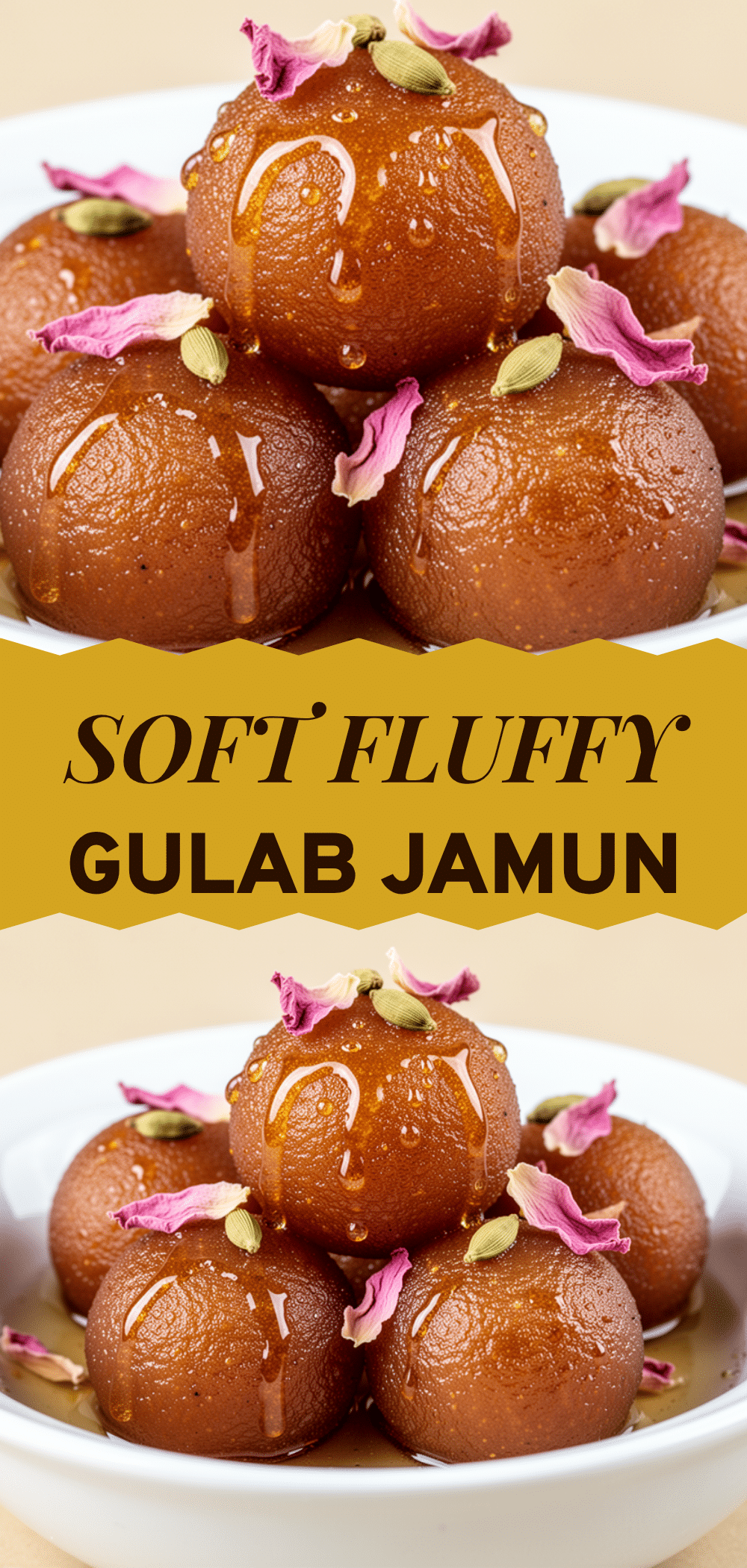
Indian Style Gulab Jamun: Easy Homemade Dessert
- Total Time: 1 hour
- Yield: 12-15 servings 1x
Description
A reliable, homemade version of the classic Indian dessert using all-purpose flour and milk powder instead of traditional khoya. These golden-brown balls are fried to perfection and soaked in a warm, spiced rose and cardamom syrup for a soft, spongy texture.
Ingredients
- 1 cup (120g) All-Purpose Flour
- 1/2 teaspoon Baking Powder
- 1/4 teaspoon Baking Soda
- 1/4 cup (25g) Milk Powder
- 2 tablespoons (30g) Butter, softened
- 2–3 tablespoons Milk
- 1/2 teaspoon Cardamom Powder
- 1 1/2 cups (300g) Granulated Sugar
- 1 cup (240ml) Water
- 3–4 Cardamom Pods, crushed
- 1–2 teaspoons Rose Water
- Pinch of Saffron Strands (optional)
- Oil for deep frying
Instructions
- Make the sugar syrup: In a saucepan, combine sugar, water, crushed cardamom pods, and saffron. Bring to a boil, then reduce heat and simmer for 5-7 minutes until it reaches ‘one-string’ consistency. Remove from heat, stir in rose water, and keep warm.
- Mix dry ingredients: In a large bowl, whisk together flour, baking powder, baking soda, and cardamom powder. Add milk powder and mix.
- Rub in butter: Add softened butter to the dry mix and rub it in with fingertips until it resembles coarse crumbs.
- Form the dough: Gradually add milk, one tablespoon at a time, mixing gently. Do not overwork the dough. It should be soft and pliable. Cover with a damp cloth and rest for 15 minutes.
- Shape the balls: Roll small portions of dough (walnut-sized) into smooth, crack-free balls, ensuring no air pockets remain. You should get about 12-15 balls.
- Fry the gulab jamun: Heat oil in a deep pan over medium-low heat. Fry balls in batches for 8-10 minutes, stirring occasionally, until deep golden brown. Ensure they cook through without burning.
- Soak in syrup: Immediately transfer fried balls into the warm sugar syrup. Let them soak for at least 30 minutes to absorb the syrup and become soft.
- Serve: Serve warm or at room temperature. Garnish with pistachios or rose petals if desired.
Notes
Ensure the oil is at medium-low heat to prevent burning the outside while the inside remains raw. The dough must be soft but not sticky; rest it for 15 minutes to relax the gluten. Soak the balls in warm syrup for best absorption. Store in an airtight container in the fridge for up to 5 days.
- Prep Time: 30 minutes
- Cook Time: 30 minutes
- Category: Dessert
- Cuisine: Indian
Nutrition
- Serving Size: 4 balls
- Calories: 350
- Sugar: 40
- Fat: 12
- Saturated Fat: 6
- Carbohydrates: 55
- Fiber: 1
- Protein: 4
Keywords: Indian dessert, gulab jamun, homemade dessert, fried dough, cardamom syrup, rose water dessert, easy Indian recipe


