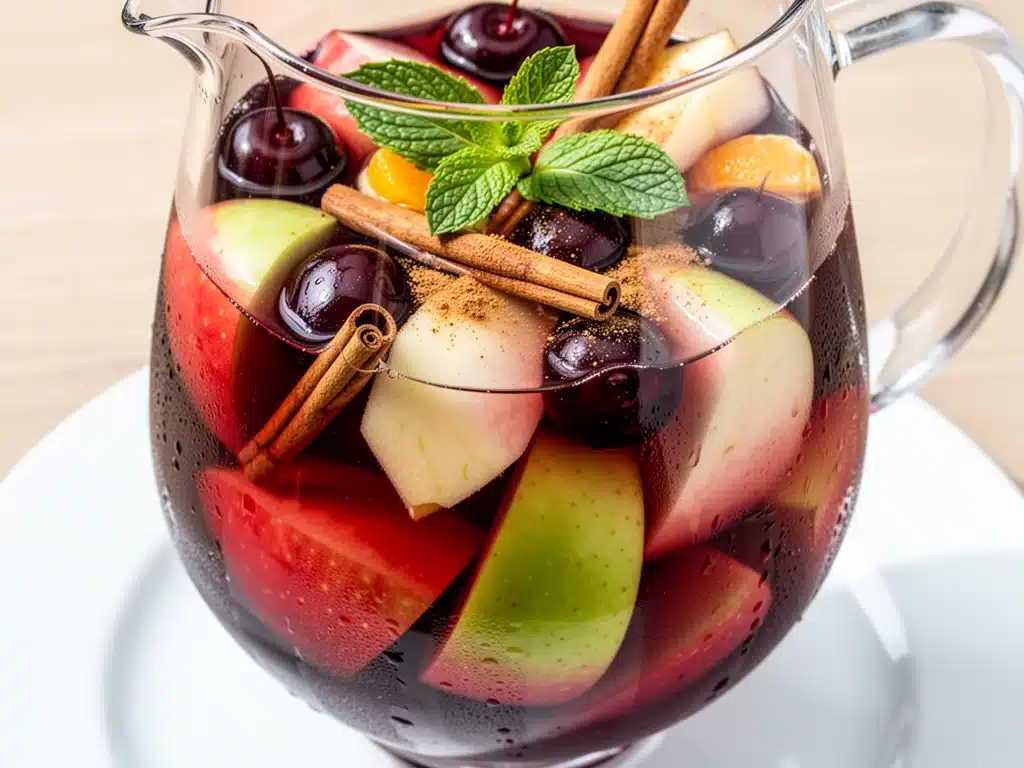
There is a specific kind of magic that happens in October. The air gets crisp, my windows need to be shut, and suddenly, the idea of a cold beer or a bright, citrusy summer cocktail feels completely wrong. Last Friday, I was standing in my kitchen watching the rain hit the window, holding a glass of something that looked like liquid amber, and I realized I had finally cracked the code on the perfect autumn drink.
I’ve made this fall sangria at least six times since the first leaf turned, and it has become the centerpiece of every gathering I host. Whether it’s a quiet Tuesday night with my husband or a cozy get-together with friends, this drink is always the first thing people reach for. It’s warm, it’s spiced, and it tastes like a hug in a glass.
What started as a way to use up a bag of bruised apples from the farmers’ market turned into my absolute favorite seasonal ritual. I used to think sangria was just a summer thing—bright, fruity, and icy. But once I swapped out the summer fruits for spiced pears, crisp apples, and a kick of cinnamon, everything changed. This cozy autumn drink isn’t just a cocktail; it’s a mood. It’s the taste of Thanksgiving without the stress, the smell of a bonfire without the smoke, and the comfort of a fresh sweater.
I’m sharing the exact ratio I’ve tweaked over the last few months because I want you to make this for your next dinner party, your solo reading night, or just because it’s Tuesday. It’s easier than you think, tastes incredible, and yes, it’s the kind of drink that makes everyone ask for the recipe before they’ve even finished their first glass.
Why You’ll Love This Fall Sangria Recipe
Look, I know there are a million cocktail recipes out there. But here’s the thing: most of them require fancy syrups you’ll buy once and forget, or techniques that take an hour. This fall sangria is different. It’s built for real life. It’s built for people who want to feel festive without spending their entire evening behind a bar.
Here is why this recipe has earned a permanent spot in my weekly rotation:
- It’s a One-Pot Wonder — Seriously, you just chop fruit, dump it in a pitcher, pour in the wine, and let it sit. No heating, no muddling, no complicated shaking. I’ve made this while watching TV, and it turned out perfect every single time.
- It Actually Tastes Like Fall — Not just “apple-flavored,” but genuinely spiced and warm. The combination of red wine, cinnamon, and citrus hits all the right notes. It’s rich but not heavy, sweet but not cloying.
- It’s Perfect for Hosting — This is my secret weapon for guests. I make it an hour before they arrive, and it just gets better. When they walk in, the smell hits them before the drink does. It sets the tone for the whole evening. It’s way more impressive than a basic beer and wine spread.
- It Uses Seasonal Ingredients — You can find these fruits at any grocery store or farmers’ market right now. It’s a great way to use up those slightly bruised apples or pears that are too soft for eating raw but perfect for soaking in wine.
- It’s Naturally Gluten-Free — If you have friends who avoid gluten, this is a safe and delicious option. No hidden grains, just fruit, wine, and spices. It’s inclusive in the best way possible.
- Leftovers Are Better — Unlike many cocktails, sangria actually improves with time. The fruits release their juices, and the spices meld together. If you have leftovers the next morning (which I hope you do), it tastes even more complex and flavorful.
This isn’t just a drink; it’s a shortcut to feeling cozy. It’s my go-to when I want to impress without trying too hard. And trust me, once you try this fall sangria, you’ll be making it every weekend until spring.
Ingredients You’ll Need
Here’s the best part: you probably already have most of this in your pantry or fridge. I’m particular about a few things here, but the rest is pretty flexible. This cozy autumn drink relies on quality wine, but you don’t need to break the bank.
For the Base:
Red Wine (750ml bottle) — This is the foundation. I use a dry red like Cabernet Sauvignon or Merlot. It needs to have enough body to stand up to the sweet fruits and spices. Do not use cooking wine. If you wouldn’t drink it straight, don’t put it in the sangria. I’ve tried cheaper options, and they taste flat. Spend the extra $10 on a decent bottle.
Orange Juice (1 cup / 240ml) — Freshly squeezed is best, but good quality store-bought works too. It adds brightness and cuts through the tannins in the wine. If you’re worried about sweetness, skip the orange juice and use more water or soda later.
Brandy or Cognac (½ cup / 120ml) — This is where the warmth comes from. Brandy pairs beautifully with autumn fruits. If you don’t have brandy, you can use dark rum, but the flavor profile will be slightly different. Amaretto also works if you want a nuttier twist.
For the Fruit & Spice:
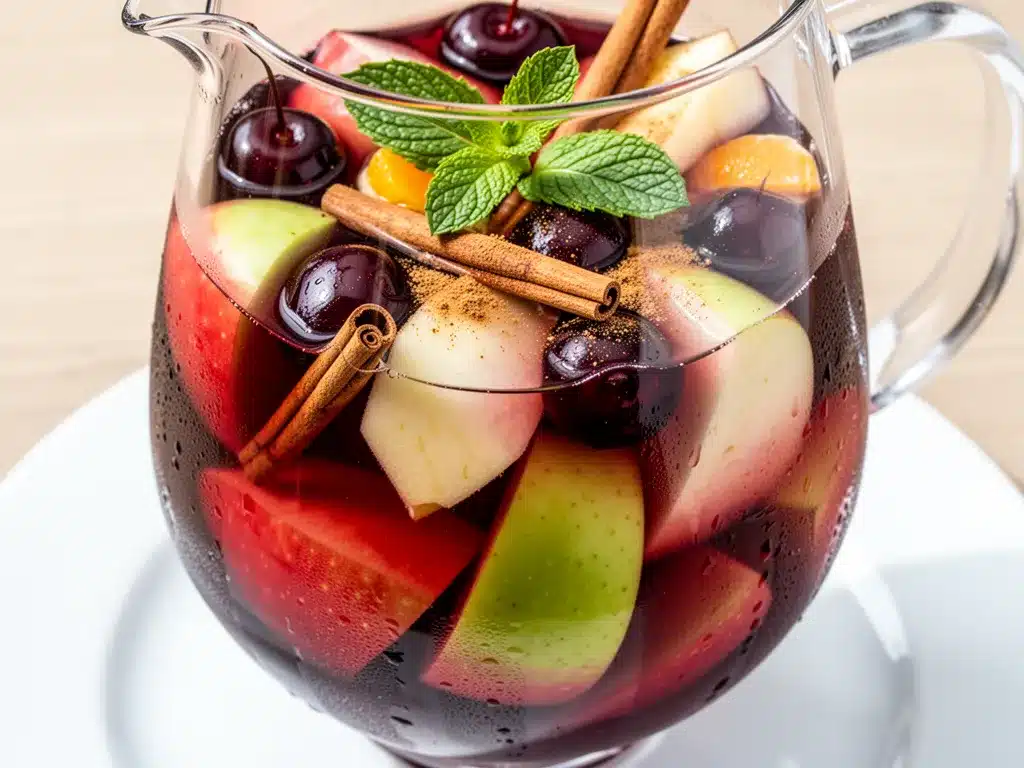
Apples (2 medium, sliced) — I use a mix of Granny Smith for tartness and Honeycrisp for sweetness. Core them and slice them into thin wedges. The skin adds color and flavor, so leave it on. These are the stars of the show.
Pears (2 medium, sliced) — Bosc or Anjou pears hold their shape well in wine. Slice them into wedges similar to the apples. They add a subtle, floral sweetness that balances the wine.
Cranberries (½ cup, fresh or frozen) — These add a pop of tartness and beautiful red color. Fresh cranberries are best, but frozen work too—just thaw them slightly before adding. They prevent the sangria from being too sweet.
Cinnamon Sticks (2-3 sticks) — Don’t just toss in a stick; lightly crush one or two to release the oils. It infuses the wine faster. I love the visual of the sticks floating in the pitcher, though.
Star Anise (2-3 pieces) — This is optional but highly recommended. It adds a subtle licorice note that feels very sophisticated. You can see it in the glass, which makes it look fancy.
Orange Slices (1 orange, sliced) — For garnish and extra citrus flavor. Thin slices look elegant and float nicely on top.
For the Finish:
Sparkling Water or Ginger Ale (1 cup / 240ml) — This is added right before serving to give it a little fizz. Sparkling water keeps it lighter; ginger ale adds extra spice and sweetness. I usually do half-and-half for the best of both worlds.
Ice Cubes — Lots of them. You’ll want to serve this over ice to keep it cold and slow the melting of the fruit.
Equipment Needed
You don’t need anything fancy for this. Here’s what I actually use:
Large Pitcher — I use a 2-quart glass pitcher. It needs to be big enough to hold all the wine, fruit, and spices with room to stir. Glass is nice because you can see the colors, but ceramic works too. Just make sure it has a lid so you can refrigerate it.
Sharp Knife — For slicing the apples and pears. A serrated knife is great for apples with tough skins.
Cutting Board — Any size works. I use a large one to keep things organized.
Muddler or Spoon — To gently press the cinnamon sticks if you want to release more flavor. A wooden spoon works fine.
Measuring Cups and Spoons — For the liquids. I’m pretty casual about this, but having a rough idea helps balance the sweetness.
Strainer (Optional) — If you prefer your sangria without floating fruit, have a fine-mesh strainer ready. But I think the fruit looks beautiful, so I usually skip this.
How to Make It: Step-by-Step
Alright, let’s make this! It’s incredibly simple, but there are a few tricks to get the flavor just right. I’m walking you through exactly how I do it.
Step 1: Prep Your Fruit (10 minutes)
Wash all your fruit thoroughly. Core the apples and pears, then slice them into thin, even wedges. Try to keep them similar in size so they infuse evenly. Slice the oranges into thin rounds. If using fresh cranberries, give them a quick rinse. Set them all aside on a plate or in a bowl.
Step 2: Muddle the Spices (2 minutes)
In the bottom of your large pitcher, place the cinnamon sticks and star anise. If you want a stronger spice flavor, gently crush the cinnamon sticks with a muddle or the back of a spoon. This releases the essential oils. Add the cranberries and gently press them a bit to burst them slightly. This helps them release their tartness into the wine.
Step 3: Add the Fruits (1 minute)
Add the sliced apples, pears, and orange slices to the pitcher. Arrange them on top of the spices. You want a nice layer of fruit so it looks beautiful. Don’t worry about being perfect; rustic is the goal here.
Step 4: Pour the Liquids (2 minutes)
Pour in the red wine, orange juice, and brandy. Stir gently but thoroughly to ensure the fruit is submerged in the liquid. The fruit needs to be covered to infuse properly. If some pieces float to the top, just push them down with a spoon.
Step 5: The Soak (At least 2 hours, ideally overnight)
Cover the pitcher and refrigerate. This is the most important step. The flavors need time to meld. I usually make this the night before I plan to serve it. Let it sit for at least 2 hours, but 8-12 hours is ideal. The longer it sits, the more the fruits soften and the spices infuse. Don’t rush this!
Step 6: Add the Fizz (Just before serving)
When you’re ready to serve, give the sangria a gentle stir. Add the sparkling water or ginger ale. Taste it. If it’s too strong, add a splash more water or juice. If it’s too sweet, add a squeeze of fresh lemon. Add ice to your glasses, pour the sangria over it, and garnish with a fresh slice of apple or orange and a cinnamon stick.
Expert Tips & Tricks
Here’s everything I’ve learned from making this dozens of times. These tips will save you from my mistakes.
Chill Your Wine First — Start with a cold bottle of wine. It speeds up the chilling process and keeps the sangria from getting watery as the fruit thaws. I usually put the wine in the fridge a few hours before making it.
Don’t Skimp on the Brandy — It’s easy to want to reduce the alcohol, but the brandy is what gives this fall sangria its depth. Without it, it just tastes like sweetened wine. You can reduce it slightly if needed, but keep at least ¼ cup.
Use Fresh Citrus — Bottled orange juice can taste flat. Fresh-squeezed orange juice adds a brightness that balances the heavy wine and spices. It’s worth the 5 minutes of squeezing.
Adjust Sweetness to Taste — Every wine is different. Some are drier, some are sweeter. After the soak, taste the liquid (not the fruit) before adding the fizz. If it’s too tart, add a splash of simple syrup or honey. If it’s too sweet, add a squeeze of lemon.
Save the Fruit — The fruits after soaking are delicious! They’ve absorbed all the wine and spice. I usually eat them as a dessert or add them to yogurt. Don’t throw them away!
Make It in Batches — If you’re hosting a big party, double the recipe in a large punch bowl. Just make sure you have enough ice to keep it cold. The ratios stay the same.
Variations & Substitutions
Once you’ve nailed the basic version, here’s how you can mix it up. I’ve tried all of these.
White Wine Sangria — Swap the red wine for a crisp Pinot Grigio or Sauvignon Blanc. Use pears, apples, and a splash of white rum instead of brandy. Add mint for a fresh twist. This is lighter and more refreshing.
Spiced Apple Cider Sangria — Replace half the wine with apple cider. Use cinnamon, nutmeg, and cloves. This tastes like warm apple pie in a glass. Great for very cold nights.
Non-Alcoholic Version — Use grape juice or black tea instead of wine. Use ginger ale for the fizz and a splash of vanilla extract for depth. It’s surprisingly good and kid-friendly.
Berry Blast — Add mixed berries (blueberries, raspberries, blackberries) along with the apples. They add a beautiful purple hue and tartness. Use a Merlot for best results.
Coconut Twist — Replace the brandy with coconut rum and add a splash of coconut milk. This gives it a tropical autumn vibe. Use mangoes and pineapples for fruit.
Gluten-Free — This recipe is naturally gluten-free, but always check your wine and brandy labels to be sure. Some processed alcohols have additives, but pure wine and distilled spirits are safe.
Serving & Storage
How to Serve:
I serve this in large wine glasses or highball glasses. Garnish with a cinnamon stick, a slice of apple, and a star anise. It looks gorgeous and smells amazing. I usually set out a bowl of ice and let guests serve themselves.
Side Dishes:
This pairs beautifully with savory autumn dishes. Think slow-cooker beef and barley stew for a hearty meal, or grandma’s bread pudding for dessert. It also goes well with cheese boards and roasted vegetables.
Storage:
Store the sangria (without the fizz) in the refrigerator for up to 3 days. The flavors will continue to develop, so it might even taste better on day two. Stir it before serving.
Reheating:
Sangria is best served cold. If you want a warm version, gently heat it on the stove with extra spices, but don’t boil it. Add a splash of brandy for warmth.
Freezing:
I don’t recommend freezing sangria because the texture of the fruit changes when thawed. It can become mushy. Make it fresh for the best experience.
Nutrition Information
I’m not a nutritionist, but here’s the breakdown if you’re tracking. Keep in mind this is an estimate based on standard ingredients.
Per Serving (based on 8 servings):
- Calories: 180
- Protein: 1g
- Carbs: 22g
- Fiber: 2g
- Sugar: 18g
- Fat: 0g
- Alcohol: ~12% ABV
What’s Good:
It contains fruit, so there are some vitamins and antioxidants from the apples and oranges. It’s a lighter option than many creamy cocktails.
What to Know:
It contains sugar from the fruit and juice. The alcohol content is moderate. If you’re watching sugar, use dry wine and less orange juice.
My Take:
Look, this is a festive drink. It’s not a health shake. But it’s better than sugary mixers and heavy creams. When I want to make it lighter, I use more sparkling water and less juice. But usually? I just enjoy it in moderation.
Final Thoughts
So that’s my go-to fall sangria! I’ve probably talked your ear off at this point, but when you make a recipe this often, you have a lot to say about it.
This has saved my autumn hosting game more times than I can count. It’s my answer to “what should we drink?” when we have friends over. It’s easy, it’s delicious, and it makes everyone feel cozy. My friends are obsessed, and I’m obsessed with making it for them.
Make it yours! Try different fruits, adjust the spices, or swap the wine. The best recipes are the ones you adapt to your tastes. If you make this, drop a comment and let me know what you think! I love hearing how recipes turn out in your kitchen.
Happy sipping! And I hope your evening feels as warm and inviting as this drink.
Frequently Asked Questions
Can I use white wine instead of red?
Absolutely! White wine sangria is a thing, and it’s delicious. Use a crisp Pinot Grigio or Sauvignon Blanc. You’ll want to adjust the spices slightly—maybe add ginger or cardamom instead of cinnamon. The flavor will be lighter and more refreshing.
How long does fall sangria last?
Without the fizz, it lasts up to 3 days in the fridge. The fruit will keep infusing, so it might get stronger. Add the sparkling water right before serving to keep the bubbles. After 3 days, the fruit may start to break down and make the drink cloudy.
Can I make this ahead of time?
Yes! This is actually best when made ahead. Make it the night before and let it soak in the fridge. This allows the flavors to meld. Just remember to add the fizz the next day.
Is this recipe gluten-free?
Yes, this recipe is naturally gluten-free. Wine and distilled spirits like brandy are gluten-free. Just double-check your specific wine and brandy labels to be sure, as some additives might contain gluten.
Can I use frozen fruit?
Yes, frozen fruit works great. In fact, frozen cranberries or berries can help chill the sangria without watering it down. Just thaw them slightly before adding so they release their flavor.
What’s the best wine for this?
I recommend a dry red like Cabernet Sauvignon or Merlot. It has enough body to stand up to the sweet fruits. Avoid very sweet wines, as the sangria will become too sugary. A medium-bodied red is perfect.
Can I make this in a slow cooker?
Yes! Put all ingredients (except the fizz) in a slow cooker on low for 2-4 hours. This speeds up the infusion process. Add the fizz after cooking. It’s a great option for parties.
Pin This Recipe!
Fall Sangria: 5 Easy Cozy Autumn Drinks
- Total Time: 2 hours 10 minutes
- Yield: 8 servings 1x
Description
A cozy, spiced autumn cocktail made with red wine, seasonal fruits like apples and pears, and warm spices. This easy-to-make sangria is perfect for hosting or enjoying on a quiet night.
Ingredients
- 1 bottle (750ml) dry red wine (Cabernet Sauvignon or Merlot)
- 1 cup (240ml) orange juice (freshly squeezed preferred)
- 1/2 cup (120ml) brandy or cognac
- 2 medium apples (mix of Granny Smith and Honeycrisp), cored and sliced into wedges
- 2 medium pears (Bosc or Anjou), sliced into wedges
- 1/2 cup fresh or frozen cranberries
- 2–3 cinnamon sticks (lightly crushed)
- 2–3 pieces star anise
- 1 orange, sliced into thin rounds
- 1 cup (240ml) sparkling water or ginger ale
- Ice cubes
Instructions
- Wash all fruit thoroughly. Core and slice apples and pears into thin, even wedges. Slice oranges into thin rounds. Rinse cranberries if fresh.
- In the bottom of a large pitcher, place cinnamon sticks and star anise. Gently crush cinnamon sticks to release oils. Add cranberries and gently press to burst them slightly.
- Add sliced apples, pears, and orange slices to the pitcher on top of the spices.
- Pour in red wine, orange juice, and brandy. Stir gently to ensure fruit is submerged.
- Cover the pitcher and refrigerate for at least 2 hours, ideally 8-12 hours (overnight) to allow flavors to meld.
- Just before serving, give the sangria a gentle stir. Add sparkling water or ginger ale.
- Taste and adjust sweetness if needed. Serve over ice in large wine glasses or highball glasses, garnished with fruit slices and cinnamon sticks.
Notes
Chill the wine before starting. The sangria improves with time, so making it the night before is recommended. Do not freeze the sangria as the fruit texture will become mushy. The soaked fruit can be eaten as a dessert afterward. For a non-alcoholic version, substitute wine with grape juice or black tea and brandy with vanilla extract.
- Prep Time: 10 minutes
- Cook Time: 0 minutes
- Category: Cocktails
- Cuisine: American
Nutrition
- Serving Size: 1 glass
- Calories: 180
- Sugar: 18
- Carbohydrates: 22
- Fiber: 2
- Protein: 1
Keywords: fall sangria, autumn drinks, cozy cocktail, red wine sangria, seasonal recipes, gluten-free cocktail, easy party drinks


