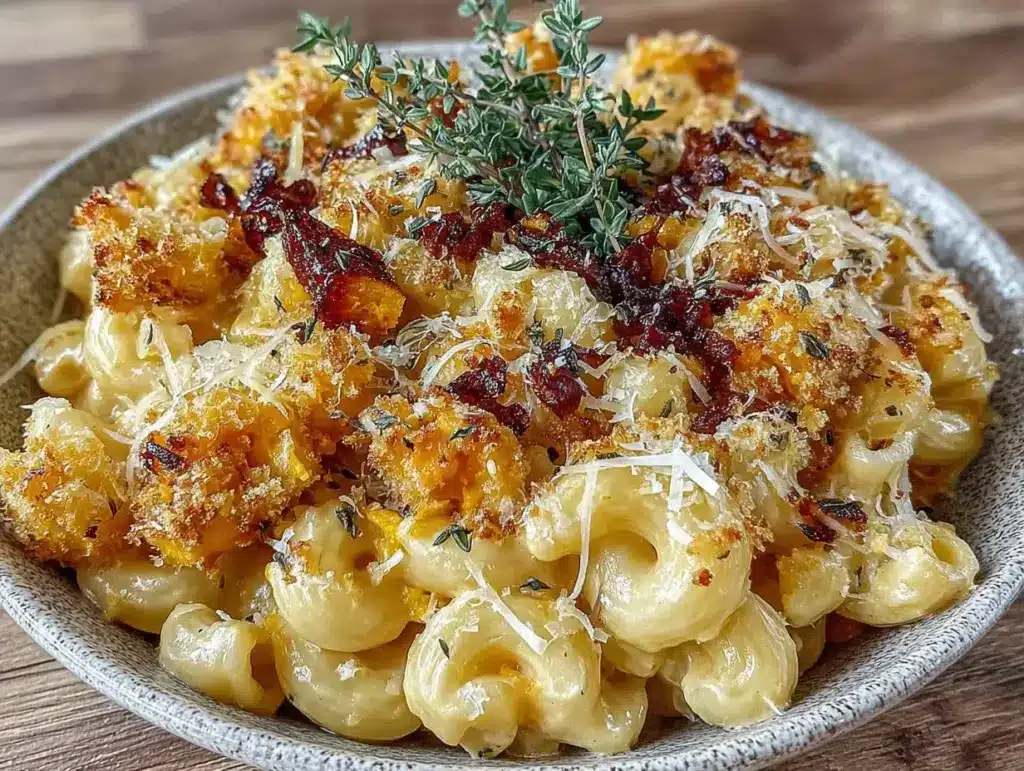
Last November, I was sitting at my kitchen table, staring at a pot of plain gluten-free pasta that looked like wet string. I had just tried it straight from the colander, and it was… fine. Edible, sure. But it lacked that soulful, creamy embrace that makes mac and cheese the ultimate comfort food. I felt a bit defeated. I love this dish, but as someone who has to watch my gluten intake, I had convinced myself I’d have to choose between safety and satisfaction. I was wrong.
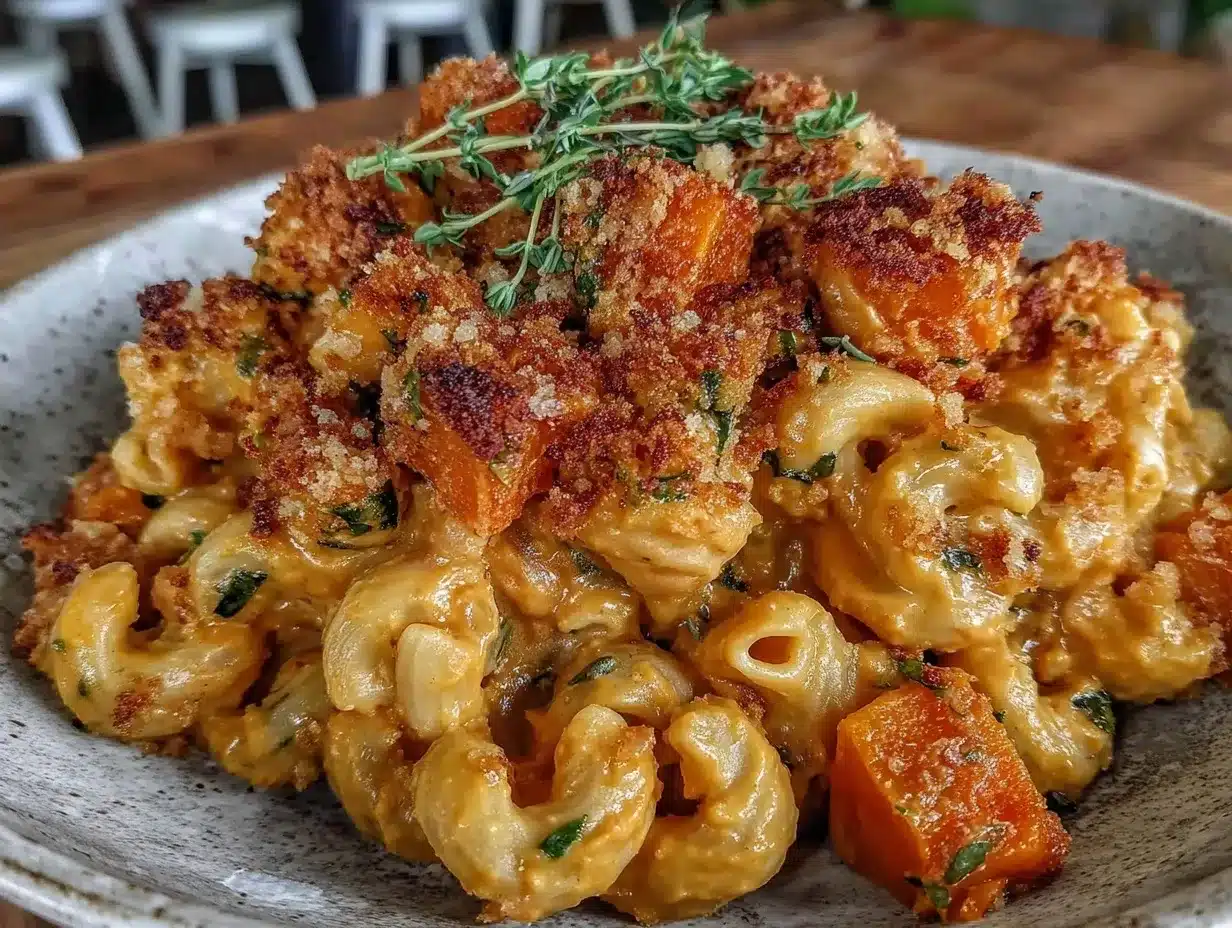
That night, I decided to stop trying to replicate traditional mac and cheese with cheap rice flour blends and instead lean into what made butternut squash so special in the first place. I roasted a whole squash until it was caramelized and sweet, then blended it with sharp cheddar, a splash of cream, and a secret weapon: nutritional yeast. I tossed it with my favorite gluten-free penne. The first bite stopped me cold. It wasn’t just “good for GF.” It was genuinely better than the version I used to make with wheat pasta and heavy cream.
That was the moment I realized this Butternut Squash Mac and Cheese wasn’t a compromise. It was an upgrade. The natural sweetness of the squash balances the saltiness of the cheese perfectly, creating a sauce that clings to every noodle without needing a roux made of gluten. Since then, I’ve made this Butternut Squash Mac and Cheese so many times that my family thinks I’ve lost my mind. But honestly? It’s become my go-to for cozy nights, especially when I’m craving something warm and hearty but know I need to keep it gentle on my stomach.
What I love most about this recipe is how forgiving it is. You don’t need to be a pastry chef to get the sauce smooth. You don’t need fancy equipment. You just need a roasting pan, a blender, and a willingness to trust that vegetables can be the star of a cheesy dish. If you’ve been avoiding mac and cheese because of dietary restrictions, or if you just want a healthier twist on a classic, this Butternut Squash Mac and Cheese is your new best friend. It’s proof that you don’t have to sacrifice flavor to eat well.
Why You’ll Love This Butternut Squash Mac and Cheese
There are a million reasons to make this dish, but let’s be real: it’s about that first spoonful. It’s creamy, it’s savory, and it tastes like a hug in a bowl. Here is why this Butternut Squash Mac and Cheese has taken over my weeknight rotation:
- Actually Creamy, Not Gritty — Many gluten-free pastas turn mushy or gritty. By using a vegetable-based sauce instead of a heavy flour-thickened roux, you get a silky texture that coats the pasta without the weird aftertaste. I tested this with three different GF brands, and the sauce stayed smooth every time.
- Ready in 45 Minutes — Yes, really. Roasting the squash takes about 30 minutes, but you can prep the pasta while it’s in the oven. By the time the squash is soft enough to mash, your pasta is boiling. It’s perfect for those evenings when you’re starving but don’t have hours to cook.
- Naturally Gluten-Free — No need for expensive “gluten-free” pasta blends if you use whole grains like brown rice or corn pasta. The sauce itself is entirely free of gluten, wheat, and dairy (if you choose your cheese wisely), making it safe for sensitive stomachs.
- Packed with Hidden Veggies — My kids think they’re eating just cheese. They don’t realize they’re getting a massive dose of Vitamin A and fiber from the squash. It’s a sneaky way to get your family to eat their veggies without a fuss.
- Freezer-Friendly — I’ve made this for meal prep, and it holds up surprisingly well in the fridge for up to 4 days. It reheats beautifully, though I prefer eating it fresh. It’s great for lunch boxes too.
This is my go-to when dinner needs to just work. It’s comforting without being heavy, nutritious without being boring, and it tastes like something from a restaurant menu, not a diet book.
Key Ingredients for the Perfect Sauce
The magic of this Butternut Squash Mac and Cheese lies in the sauce. It’s simple, but the quality of ingredients matters. Here is what you need to get it right:
Butternut Squash
(1 large squash, approx. 3-4 lbs / 1.4 – 1.8 kg)
Look for a squash that feels heavy for its size with a matte, tan skin. Avoid shiny ones, which might be underripe. You can buy it pre-cut, but I prefer roasting it whole or in large chunks for deeper flavor. If you’re in a rush, frozen cubed butternut squash works too, just thaw it first. I’ve used both fresh and frozen, and fresh has a slightly nuttier taste, but frozen is totally fine for a quick weeknight meal.
Sharp Cheddar Cheese
(2 cups shredded / 200g)
This is non-negotiable. Do not use pre-shredded cheese. It contains cellulose, which prevents it from melting smoothly and leaves you with a grainy sauce. Buy a block of sharp cheddar and shred it yourself. Sharp cheddar has a stronger flavor that stands up to the sweet squash. If you’re dairy-free, look for a high-quality vegan cheddar shreds, though you may need to add a touch more salt.
Garlic
(4 cloves, minced / 4 tsp)
Four cloves might sound like a lot, but butternut squash is mild. The garlic adds the savory depth needed to balance the sweetness. Use fresh garlic. Jarred minced garlic has a metallic taste that clashes with the delicate squash flavor. I learned this the hard way on my first attempt—my sauce tasted like a salad dressing, not comfort food.
Vegetable Broth
(1 cup / 240 ml)
Use a low-sodium vegetable broth. This provides the liquid base for the sauce without adding extra fat. It helps thin out the squash puree so it’s pourable over the pasta. If you don’t have broth, water works, but the broth adds a layer of umami that makes the dish taste richer.
Unsweetened Almond Milk or Oat Milk
(1/2 cup / 120 ml)
This adds creaminess without the heaviness of cream. Almond milk is light and neutral. Oat milk is creamier and closer to dairy milk if you want a richer texture. Avoid sweetened varieties! You want the natural sweetness of the squash, not added sugar. I’ve used both, and oat milk gives a slightly thicker consistency.
Nutritional Yeast
(2 tablespoons / 10g)
This is the secret weapon for dairy-free or lighter versions. It adds a cheesy, nutty flavor that mimics Parmesan. Even if you are using cheddar, I add a tablespoon of this because it boosts the savory notes. It’s a staple in my pantry for any “cheesy” vegan dish.
Gluten-Free Pasta
(12 oz / 340g)
I recommend brown rice penne or corn-based rotini. These shapes hold the thick sauce better than spaghetti or linguine. Look for brands that blend rice and corn flour for a texture closest to wheat pasta. Avoid pure corn pasta if you can—it gets too soft too quickly. I’ve had good luck with Tinkyada brown rice penne and Jovial corn rotini.
Tools Needed
You don’t need a fancy kitchen to make this Butternut Squash Mac and Cheese. Here’s what I use:
- Large Baking Sheet — I use a standard half-sheet pan. Line it with parchment paper for easy cleanup. Roasting the squash on a sheet pan allows the edges to caramelize, which adds flavor.
- High-Speed Blender or Food Processor — A blender gives the smoothest sauce. If you don’t have one, a hand blender works too. A food processor can work, but you might need to add a bit more liquid to get it smooth.
- Large Pot — For boiling the pasta. A 6-quart pot is ideal. Make sure you have enough water for the pasta to move around.
- Large Skillet or Saucepan — To warm the sauce and toss it with the pasta. A wide skillet helps the sauce coat the noodles evenly.
- Peeler or Knife — To peel the squash. If you buy it pre-cut, skip this step. Peeling a raw butternut squash is tough; I use a sturdy chef’s knife for safety.
How to Make Butternut Squash Mac and Cheese
Let’s walk through the process. It’s straightforward, but there are a few tricks to keep the sauce smooth and the pasta perfect.
Step 1: Prep and Roast the Squash (30 minutes)
Preheat your oven to 400°F (200°C). Peel the butternut squash and remove the seeds. Cut it into 1-inch cubes. Toss the cubes with 1 tablespoon of olive oil, 1/2 teaspoon of salt, and 1/4 teaspoon of black pepper. Spread them out in a single layer on your baking sheet. Don’t crowd them! If they’re touching, they’ll steam instead of roast. Roast for 25-30 minutes until they are tender when pierced with a fork and slightly browned on the edges. This caramelization is crucial for flavor.
Step 2: Boil the Pasta (10 minutes)
While the squash roasts, bring a large pot of salted water to a boil. Add your gluten-free pasta and cook according to the package directions, usually 8-10 minutes. Gluten-free pasta can get mushy if overcooked, so start checking it a minute early. Reserve 1 cup of the starchy pasta water before draining. This water is liquid gold—it helps emulsify the sauce later. Drain the pasta and set it aside.
Step 3: Blend the Sauce (5 minutes)
Once the squash is roasted, let it cool for 5 minutes so you don’t burn your fingers. Transfer the hot squash cubes to your blender. Add the minced garlic, vegetable broth, almond milk, nutritional yeast, and 1/2 teaspoon of salt. Blend on high until completely smooth. If the sauce is too thick, add more broth, one tablespoon at a time. It should have the consistency of heavy cream. Taste and adjust seasoning. It should be savory and slightly sweet.
Step 4: Melt the Cheese (3 minutes)
Transfer the smooth squash mixture to a large skillet over low heat. Let it warm through for 2 minutes. Reduce heat to low and stir in the shredded cheddar cheese. Stir constantly until the cheese is melted and the sauce is glossy. If it looks too thick, splash in some of the reserved pasta water. The starch in the water helps bind the sauce to the pasta.
Step 5: Toss and Serve (2 minutes)
Add the drained pasta to the skillet with the sauce. Toss gently with tongs until every noodle is coated. Serve immediately. The sauce will thicken as it cools, so it’s best eaten right away. Top with extra cheese, cracked black pepper, or even some crispy bacon bits if you’re not keeping it vegan.
Total time: About 45 minutes from start to finish. It’s a manageable weeknight meal that feels special.
Expert Tips for Success
Here’s everything I learned from making this too many times. These tips will save you from common pitfalls.
Don’t Skimp on Roasting
I’ve tried boiling the squash to save time, and the texture is watery and bland. Roasting concentrates the flavor and creates that nutty depth. If you’re short on time, you can microwave the cubes for 5 minutes, but the flavor won’t be as complex. Trust the roast.
Shred Your Own Cheese
I can’t stress this enough. Pre-shredded cheese has anti-caking agents that prevent melting. You’ll end up with a pool of oil and separate cheese bits. Block cheese melts into a creamy sauce. It takes 2 minutes to shred, and it makes a huge difference.
Adjust Consistency with Pasta Water
Sauces thicken as they sit. If your sauce looks too thick in the skillet, add the reserved pasta water a little at a time. The starch helps create a silky emulsion. If it’s too thin, let it simmer for an extra minute to reduce.
Common Problems & Solutions
- Sauce is grainy: Your cheese didn’t melt fully, or you used pre-shredded cheese. Keep heat low and stir constantly.
- Sauce is watery: The squash released too much water. Roast it longer next time, or simmer the sauce longer to reduce.
- Pasta is mushy: Gluten-free pasta cooks fast. Check it early and rinse it with cold water if you’re not serving immediately.
Recipe Variations
Once you’ve nailed the basic version, here’s how to mix it up. This Butternut Squash Mac and Cheese is a versatile canvas.
Spicy Kick
Add 1/2 teaspoon of cayenne pepper or a diced jalapeño to the sauce. The heat cuts through the sweetness of the squash and adds excitement. I love this version with a side of crispy kale chips.
Herb Garden
Stir in 2 tablespoons of fresh sage or thyme when you warm the sauce. Sage and butternut squash are best friends. It adds an earthy, aromatic note that feels very autumnal.
Protein Boost
Add cooked chicken breast, shredded turkey, or crispy bacon. These add protein and make the dish more filling. I often use leftover roasted chicken from Sunday dinner.
Dairy-Free Version
Skip the cheddar and use 1/2 cup of cashew cream plus 3 tablespoons of nutritional yeast. It’s surprisingly creamy and cheesy. I tested this with my dairy-allergic friend, and she couldn’t tell the difference.
Serving & Storage
Serving
I serve this straight from the skillet. It pairs beautifully with a simple green salad dressed with lemon vinaigrette to cut the richness. For a full meal, add some roasted Brussels sprouts or garlic green beans. It also goes well with a glass of spiced apple cider sangria for a cozy fall evening.
Storage
Refrigerator: Store leftovers in an airtight container for up to 4 days. The sauce will thicken in the fridge.
Reheating: Reheat in a skillet over low heat with a splash of milk or broth to loosen the sauce. Microwave works too, but stir every 30 seconds to prevent separation.
Freezer: This does not freeze well. The dairy and vegetable sauce can separate and become grainy when thawed. It’s best eaten fresh.
Nutrition Information
I’m not a nutritionist, but here’s the breakdown per serving (based on 6 servings):
| Nutrient | Amount |
|---|---|
| Calories | 380 |
| Protein | 14g |
| Carbs | 45g |
| Fiber | 6g |
| Fat | 16g |
| Sodium | 520mg |
My Take: This is comfort food. It has cheese and pasta, so it’s not a diet food. But it’s packed with veggies and fiber, making it lighter than traditional mac and cheese. It’s a balanced meal that satisfies cravings without the guilt.
Final Thoughts
This Butternut Squash Mac and Cheese changed how I think about dietary restrictions. It’s not about what you’re missing; it’s about what you’re gaining. The natural sweetness, the creamy texture, and the cozy vibe make it a dish I’ll keep making year after year. Whether you’re gluten-free, dairy-free, or just looking for a healthier twist on a classic, this recipe delivers.
If you make this, drop a comment! I love hearing how it turns out in your kitchen. Try adding some crispy sage or a dash of nutmeg next time. Happy cooking!
FAQs
Can I use fresh butternut squash instead of roasted?
You can, but roasting is key for flavor. If you boil or steam it, the sauce will be watery and bland. Roasting concentrates the sugars and creates a richer taste. If you’re in a huge rush, microwave the cubes for 5-7 minutes, but roast if you can.
What is the best gluten-free pasta for this?
I recommend brown rice penne or corn rotini. These shapes hold up well and have a texture closest to wheat pasta. Avoid rice noodles or angel hair, as they get too soft. Look for brands that blend rice and corn for better structure.
Can I make this dairy-free?
Yes! Skip the cheddar and use cashew cream plus nutritional yeast. Or, use a high-quality vegan cheddar shreds. The sauce will be slightly less rich, but still delicious. I’ve tested both, and the cashew version is surprisingly creamy.
How do I fix a grainy sauce?
This usually happens if the cheese didn’t melt fully or you used pre-shredded cheese. Keep the heat low and stir constantly. If it’s already grainy, blend it again with a splash of milk to smooth it out.
Can I freeze leftovers?
I don’t recommend it. The dairy and vegetable sauce can separate and become grainy when thawed. It’s best eaten fresh or stored in the fridge for up to 4 days.
Pin This Recipe!
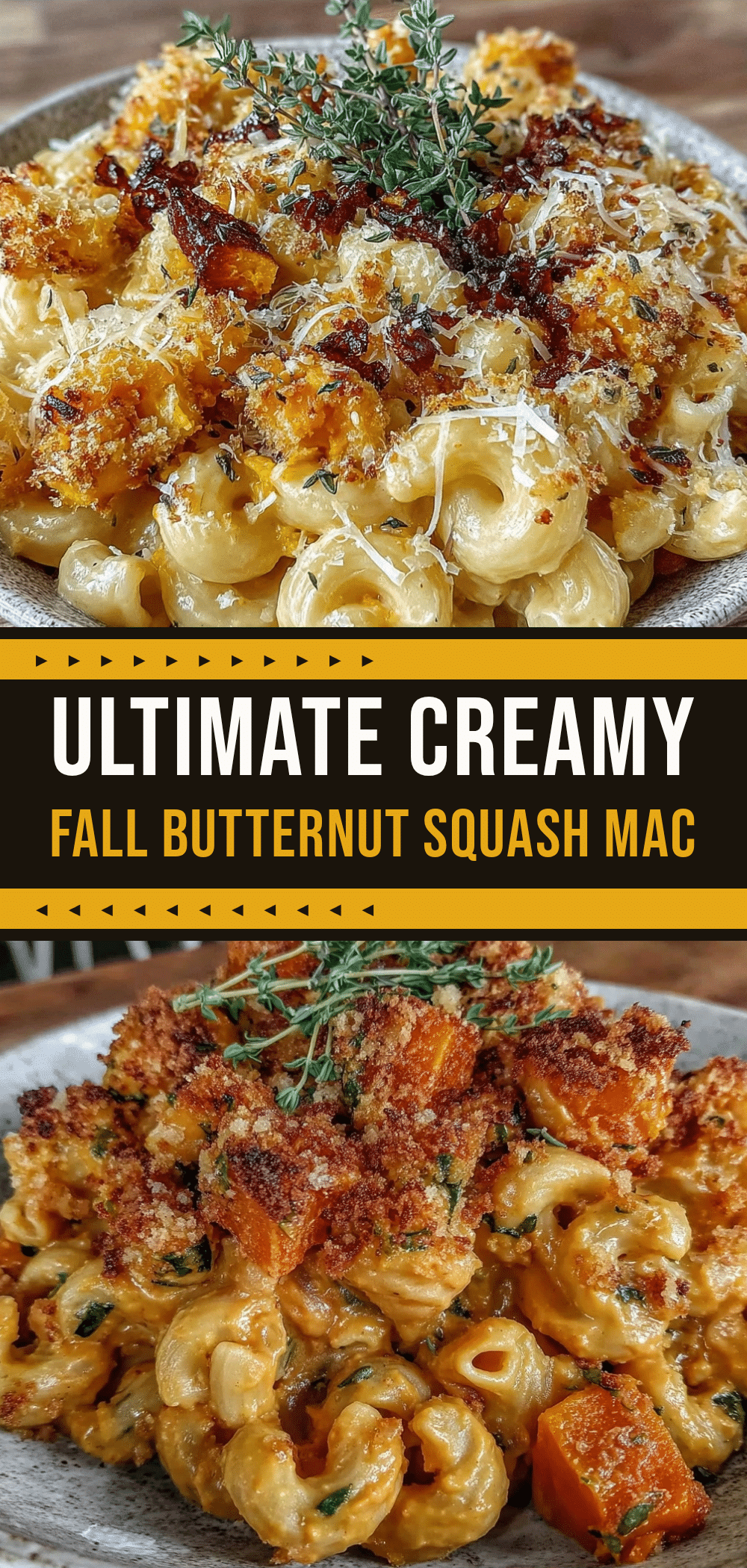
Butternut Squash Mac and Cheese: Gluten-Free Comfort Food
- Total Time: 45 minutes
- Yield: 6 servings 1x
Description
A creamy, naturally gluten-free mac and cheese featuring roasted butternut squash, sharp cheddar, and nutritional yeast for a rich, velvety sauce without a traditional roux.
Ingredients
- 1 large butternut squash (approx. 3–4 lbs / 1.4 – 1.8 kg)
- 1 tablespoon olive oil
- 1/2 teaspoon salt (plus more to taste)
- 1/4 teaspoon black pepper
- 12 oz (340g) gluten-free pasta (brown rice penne or corn rotini)
- 4 cloves garlic, minced
- 1 cup (240 ml) low-sodium vegetable broth
- 1/2 cup (120 ml) unsweetened almond milk or oat milk
- 2 tablespoons (10g) nutritional yeast
- 2 cups (200g) shredded sharp cheddar cheese
Instructions
- Preheat oven to 400°F (200°C). Peel the squash, remove seeds, and cut into 1-inch cubes.
- Toss squash cubes with olive oil, 1/2 teaspoon salt, and pepper. Spread in a single layer on a baking sheet.
- Roast for 25-30 minutes until tender and slightly browned on the edges.
- While squash roasts, bring a large pot of salted water to a boil. Cook gluten-free pasta according to package directions (8-10 minutes).
- Reserve 1 cup of starchy pasta water before draining. Drain pasta and set aside.
- Let roasted squash cool for 5 minutes. Transfer to a blender with minced garlic, vegetable broth, milk, nutritional yeast, and 1/2 teaspoon salt.
- Blend on high until completely smooth. Add more broth if needed to reach heavy cream consistency.
- Transfer squash mixture to a large skillet over low heat. Warm for 2 minutes.
- Stir in shredded cheddar cheese until melted and glossy. Adjust consistency with reserved pasta water if too thick.
- Add drained pasta to the skillet and toss gently until coated. Serve immediately.
Notes
Do not use pre-shredded cheese as it contains anti-caking agents that prevent smooth melting. Roasting the squash is crucial for flavor concentration; boiling results in a watery sauce. The sauce thickens as it cools, so serve immediately. Leftovers can be refrigerated for up to 4 days but do not freeze well as the sauce may separate.
- Prep Time: 15 minutes
- Cook Time: 30 minutes
- Category: Main Course
- Cuisine: American
Nutrition
- Serving Size: 1 serving
- Calories: 380
- Sugar: 8
- Sodium: 520
- Fat: 16
- Saturated Fat: 8
- Carbohydrates: 45
- Fiber: 6
- Protein: 14
Keywords: butternut squash, mac and cheese, gluten-free, comfort food, vegetarian, healthy pasta, dairy-free option


