I still remember the exact morning I decided that store-bought pastries were officially banned from our breakfast table. It was a lazy Sunday in early autumn, the kind where the light comes through the window just right and you feel like you have all day. My husband had brought home a box of “artisan” croissants from that fancy bakery downtown. They were fine, I guess. But they were cold, slightly stale, and completely devoid of soul. I looked at them, looked at my half-empty pantry, and thought, “I can do better. I can do so much better.”
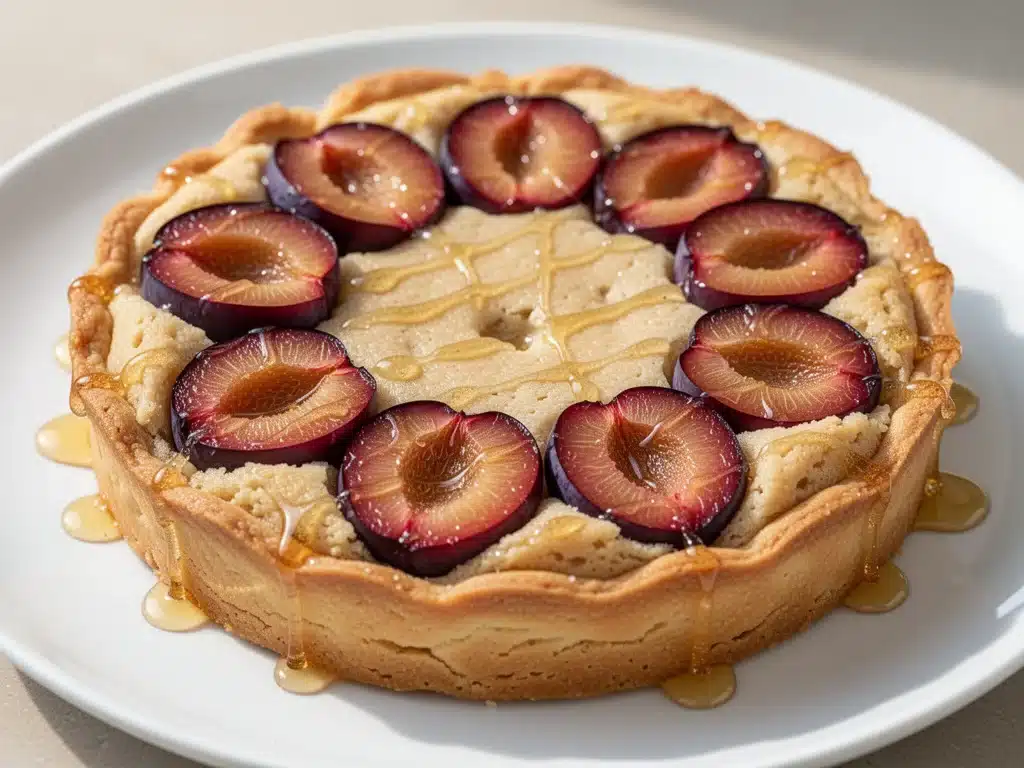
That decision led me down a rabbit hole of French baking techniques, burnt fingers, and one very sad, soggy bottom that I threw in the trash immediately. But after about five attempts, I nailed it. The result? A Plum Almond Frangipane Tart that is flaky, buttery, deeply aromatic, and somehow elegant enough for a brunch party but simple enough to make on a Tuesday morning if you really want to impress your partner.
This tart has become my secret weapon. It’s not just a dessert; it’s a statement. It says, “Yes, I spent time on this, but no, I didn’t lose my mind doing it.” The combination of sweet, jammy plums against the rich, nutty almond cream is pure magic. And the best part? You don’t need to be a professional pastry chef to make it work. I’ve tested this recipe with my novice sister, my flour-dusting neighbor, and myself on our worst days. It works every single time.
If you’re tired of the same old pancakes or dry muffins, trust me on this. This plum tart is the upgrade your brunch routine desperately needs. It’s the kind of dish that gets people asking for the recipe before they’ve even taken a second bite. Let’s get baking.
Why You’ll Love This Plum Almond Frangicane Tart
There are a lot of reasons to keep this recipe in your back pocket, but if I’m being honest, it usually comes down to these few things. This isn’t just another fruit tart; it’s a texture dream.
- The Frangipane Factor — This is the star of the show. Frangipane is that luxurious almond cream filling that puffs up in the oven and stays moist. It’s richer than custard but lighter than a cake. Once you taste it, you’ll never go back to plain pastry cream.
- Seasonal Simplicity — Plums are cheap, abundant, and naturally sweet. You don’t need to peel them or chop them into tiny cubes. Just slice them and lay them on top. It’s rustic, beautiful, and requires zero stress.
- Make-Ahead Friendly — Unlike many delicate pastries, this tart actually tastes better the next day. The flavors meld together, the almonds toast a bit more, and the plums soften into the cream. I often make it the night before and serve it cold or room temperature for a low-stress morning.
- Gluten-Free Option Built-In — The filling is naturally gluten-free (just almonds, sugar, butter, and eggs). You can swap the crust for a gluten-free shortbread or even a nut-based crust if you have guests with dietary restrictions. It’s inclusive without being fussy.
- Impressive but Easy — It looks like it came from a Parisian patisserie. In reality, it’s just butter, flour, sugar, and almonds. I’ve served this to food critics and family members who can’t tell the difference. The secret is in the technique, not the complexity.
This is my go-to when I want to feel fancy but don’t want to spend six hours in the kitchen. It’s the perfect balance of effort and reward.
Ingredients You’ll Need
Here’s the thing about frangipane: it’s simple, which means the quality of your ingredients matters more than usual. You don’t need a weird grocery run for this. Most of this is pantry staples, but I’m particular about a few things.
For the Shortcrust Pastry
All-purpose flour (1 ¼ cups / 150g) — I use King Arthur or Gold Medal. You need a protein content that gives structure without being tough. Whole wheat flour doesn’t work here; it’s too dense.
Unsalted butter (½ cup / 115g, cold and cubed) — This is non-negotiable. Cold butter creates steam pockets that make the crust flaky. If your butter is soft, your crust will be crumbly and sad. Keep it in the fridge until the last minute.
Sugar (2 tablespoons / 25g) — Just a touch to balance the salt and help browning. You can use white granulated sugar.
Salt (½ teaspoon) — Essential for flavor. Don’t skip it.
Egg yolk (1 large) — Adds richness and helps bind the dough. Use a large egg, just the yolk.
Ice water (2-4 tablespoons) — Enough to bring the dough together. Don’t add too much or the gluten develops and you get a tough crust.
For the Frangipane Filling
Almond flour (1 cup / 100g) — This is super fine ground almonds. Do not use almond meal (which is coarser) or raw almonds you grind yourself unless you grind them *very* finely. Almond flour is key for that smooth, sandy texture.
Butter (½ cup / 115g, softened) — This needs to be room temperature so it creams easily with the sugar. Softened, not melted.
Powdered sugar (¾ cup / 90g) — Also called confectioners’ sugar. It dissolves completely, unlike granulated sugar, which would leave gritty bits in the cream.
Eggs (2 large) — Room temperature eggs incorporate better into the butter. If they’re cold, your butter might seize up. Take them out 30 minutes before you start.
Vanilla extract (1 teaspoon) — Pure vanilla, not imitation. It enhances the almond flavor beautifully.
Almond extract (½ teaspoon) — Optional but highly recommended. It boosts that nutty aroma. If you don’t have it, just use a bit more vanilla.
All-purpose flour (1 tablespoon / 8g) — A little bit of flour stabilizes the filling so it doesn’t collapse into a liquid egg scramble.
For the Topping
Fresh plums (3-4 medium, about 1 pound / 450g) — Look for plums that are firm but yield slightly to pressure. Red plums look stunning, but yellow or purple work too. Avoid mushy ones.
Sliced almonds (¼ cup / 20g) — For garnish and extra crunch. Toasting them first makes them nuttier.
Extra powdered sugar — For dusting at the end.
Equipment Needed
You don’t need a fancy kitchen to make this. Here’s what I actually use.
9-inch tart pan with removable bottom — This is the most important tool. The removable bottom makes it easy to get the tart out without breaking it. If you don’t have one, a pie dish works, but you’ll need to slice it carefully. I recommend a metal pan over glass; it conducts heat better for a crisp crust.
Food processor — Makes the crust and filling incredibly fast. You can do it by hand with a pastry cutter or fork, but it takes longer and your butter might warm up too much. I use mine for both the crust and the frangipane.
Rolling pin — Standard wooden or marble rolling pin works fine.
Parchment paper — For lining the tart pan if your pan isn’t non-stick, and for docking the crust.
Pastry brush — For egg wash or apricot glaze if you choose to add one.
Cooling rack — Essential for cooling the tart evenly so the bottom doesn’t get soggy.
How to Make It: Step-by-Step
Alright, let’s make this! I’m walking you through exactly how I do it, including the little tricks I’ve picked up over the years. This process is broken into three main parts: the crust, the filling, and the bake.
Step 1: Make the Shortcrust Pastry (10 minutes plus chilling)
Start by making the dough. In a food processor, pulse the flour, sugar, and salt together. Add the cold, cubed butter and pulse until the mixture looks like coarse crumbs with some pea-sized pieces of butter remaining. This is crucial—you want those butter bits for flakiness.
Add the egg yolk and pulse briefly to combine. Then, add ice water one tablespoon at a time, pulsing after each addition. Stop as soon as the dough starts to clump together. It should hold together when you pinch it. Don’t overwork it!
Turn the dough out onto a piece of plastic wrap. Gently press it into a disc (don’t roll it yet). Wrap it tightly and refrigerate for at least 30 minutes, or up to 2 days. This rest time relaxes the gluten and re-chills the butter, ensuring a tender crust.
Step 2: Blind Bake the Crust (20 minutes)
Preheat your oven to 375°F (190°C). On a floured surface, roll out the chilled dough to a 12-inch circle. Carefully transfer it to your tart pan. Press it gently into the bottom and sides without stretching it. If it tears, just patch it with scraps. Trim the excess dough hanging over the edge.
Prick the bottom of the crust all over with a fork (this is called docking). This prevents air bubbles from forming. Line the crust with parchment paper and fill it with pie weights, dried beans, or rice. This is called blind baking, and it prevents the crust from puffing up or shrinking.
Bake for 15 minutes. Then, carefully remove the parchment and weights. Return the crust to the oven and bake for another 5-7 minutes until the edges are lightly golden. Remove and let it cool slightly while you make the filling. Keep the oven on!
Step 3: Make the Frangipane Filling (5 minutes)
In the bowl of your food processor (or a mixing bowl), combine the softened butter and powdered sugar. Beat until smooth and creamy. This takes about 2 minutes. If using a mixer, use medium speed.
Add the egg yolks (save the whites for another use, like meringues) and vanilla extract. Mix until incorporated. Add the almond flour, the tablespoon of all-purpose flour, and the almond extract. Pulse or mix until just combined. The mixture will look like wet sand. Don’t overmix.
Step 4: Assemble the Tart (10 minutes)
Pour the frangipane into the partially baked crust. Spread it evenly with a spatula. It should be a thick, creamy layer.
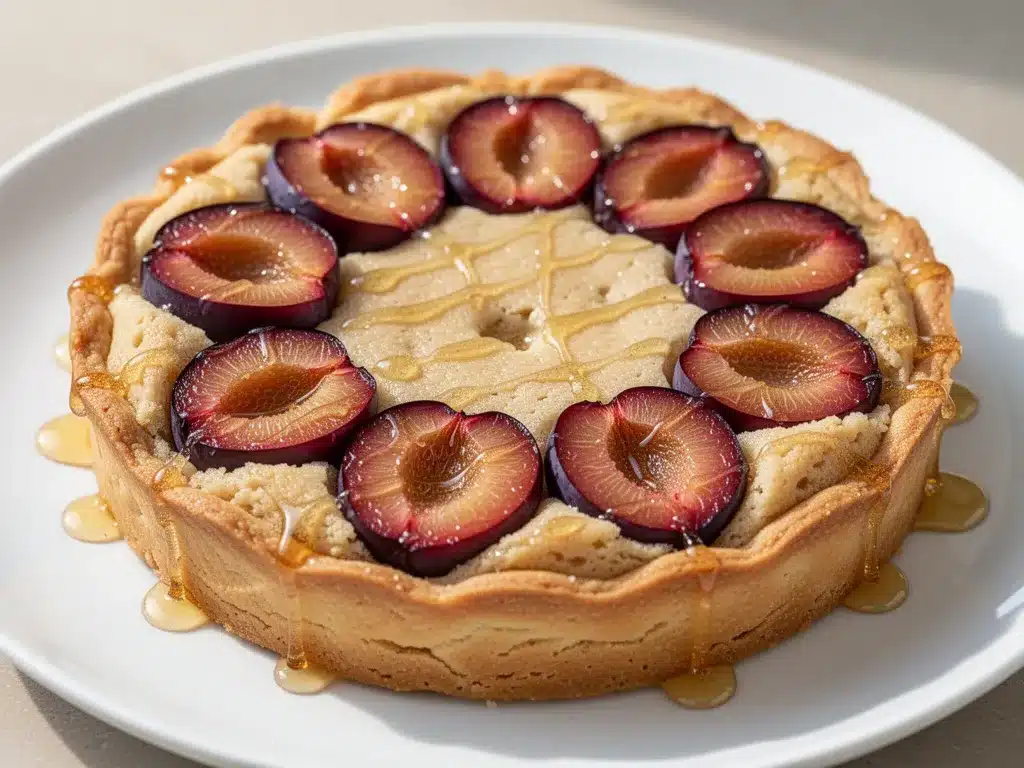
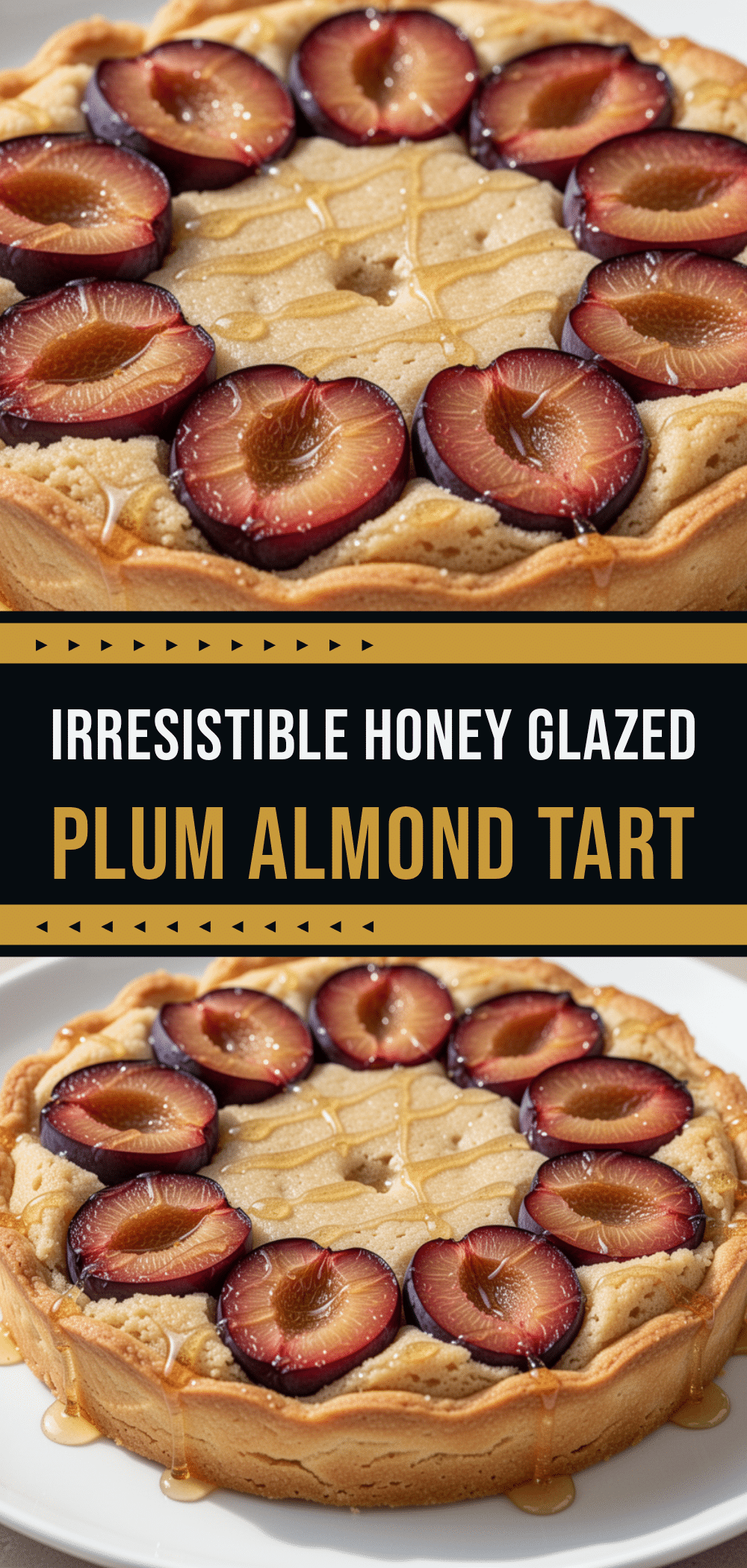
Wash and slice your plums. You can leave them whole if they’re small, but slicing them in half and removing the pit is easier. Lay the plum halves cut-side up on top of the frangipane. Arrange them in concentric circles, starting from the outside and working in. They should fit snugly. Don’t worry if it looks imperfect; that’s part of the rustic charm.
Sprinkle the sliced almonds over the top. If you want a bit of extra shine, you can brush the plums lightly with apricot jam warmed with a teaspoon of water, but it’s not strictly necessary.
Step 5: Bake the Tart (35-40 minutes)
Place the tart in the preheated oven. Bake for 35-40 minutes. You’re looking for the frangipane to be puffed, golden brown, and set. The plums should be tender and slightly caramelized. If the edges of the crust start to brown too quickly, cover them with a strip of aluminum foil.
Let the tart cool in the pan for 10 minutes, then run a knife around the edge and remove the tart ring. Transfer to a wire rack to cool completely. This is hard, but slicing it hot will cause the filling to slide out. Patience pays off.
Expert Tips & Tricks
Here’s everything I’ve learned from making this tart dozens of times. These tips will save you from my mistakes.
Keep Everything Cold (Except the Filling Butter) — For the crust, cold butter is king. If your kitchen is warm, put the dough back in the fridge for 10 minutes before rolling it out. For the frangipane, the butter needs to be soft so it creams properly. Don’t confuse the two!
Don’t Skip the Blind Bake — Frangipane is wet. If you put it in raw dough, the bottom will be soggy. Blind baking creates a barrier and ensures a crisp crust. It’s a small step that makes a huge difference.
Toast Your Almonds — If you have time, toast the sliced almonds in a dry pan for 2-3 minutes before sprinkling them on top. It brings out their flavor and adds a nice crunch.
Choose the Right Plums — Use plums that are not too ripe. If they’re mushy, they’ll turn into jam and make the tart watery. Firm plums hold their shape better during baking.
Check for Doneness — The frangipane is done when it’s golden and a toothpick inserted into the almond cream (not the plum) comes out clean. If it’s jiggly, it needs more time.
Storage is Key — This tart keeps well at room temperature for 2 days, covered. After that, refrigerate it. Bring it to room temperature before serving for the best texture.
Variations & Substitutions
Once you’ve nailed the basic version, here’s how you can mix it up. I’ve tried all of these.
Other Fruit Toppings — You can swap plums for apricots, peaches, or nectarines. Apples work too, but slice them thinly. Berries are tricky because they release too much water; if you use them, toss them in a little cornstarch first.
Gluten-Free Crust — Use a 1:1 gluten-free flour blend for the crust. The technique is the same. Or, make a nut crust by blending 1 cup almonds, ½ cup oats, ¼ cup maple syrup, and 2 tablespoons melted butter. Press into the pan and bake for 10 minutes before adding the frangipane.
Chocolate Frangipane — Add 2 tablespoons of cocoa powder to the frangipane mixture. Pair it with strawberries or cherries on top. It’s a chocolate lover’s dream.
Lemon Almond — Add the zest of one lemon to the frangipane. Pair with blueberries. It’s bright and refreshing.
Dairy-Free — Use dairy-free butter for both the crust and the filling. Use almond milk instead of egg wash if needed. The texture will be slightly different but still delicious.
Serving & Storage
How to Serve — I usually serve this warm or at room temperature. It pairs beautifully with a cup of black coffee or a glass of sparkling water with lemon. For a fancy brunch, add a dollop of whipped cream or a scoop of vanilla ice cream on the side.
Side Dishes — This tart is rich, so keep sides light. A simple green salad with a vinaigrette balances the sweetness. Or serve with fresh fruit like melon or berries.
Refrigerator — Store in an airtight container for up to 4 days. The crust may soften slightly, but the flavor remains excellent.
Freezing — You can freeze the baked tart. Wrap it tightly in plastic wrap and then foil. Freeze for up to 2 months. Thaw at room temperature. The texture of the frangipane might change slightly, but it’s still good. I wouldn’t freeze the raw tart; the plums might get mushy upon thawing.
Pro Tip — If the crust gets soggy, pop the tart in a 350°F oven for 5 minutes to crisp it back up.
Nutrition Information
I’m not a nutritionist, but here’s the breakdown if you’re tracking. Keep in mind that this is a rich, indulgent tart, so portions should be moderate.
Per Slice (based on 8 slices):
- Calories: 380
- Protein: 6g
- Carbs: 35g
- Fiber: 3g
- Sugar: 22g
- Fat: 24g
- Saturated Fat: 10g
What’s Good: Almond flour adds protein and healthy fats. Plums provide fiber and vitamins.
What to Know: High in sugar and calories due to the butter and sugar in both crust and filling. Use low-sugar almond flour if you’re watching sugar intake.
My Take: This is a treat. Enjoy it as a special occasion brunch item or a weekend indulgence. It’s not something I eat every day, but when I do, it’s worth every calorie.
Final Thoughts
So that’s my Plum Almond Frangicane Tart! I’ve probably talked your ear off at this point, but when you make a recipe this often, you have a lot to say about it.
This tart has saved my brunch game more times than I can count. It’s my answer to “what’s for brunch” when I want to impress but don’t want to stress. My guests are always delighted, and my husband asks for it on weekends. It’s elegant, delicious, and surprisingly easy.
Make it yours! Try different fruits, add a splash of amaretto to the filling, or skip the almonds if you’re allergic. The best recipes are the ones you adapt to your tastes.
If you make this, drop a comment and let me know what you think! I love hearing how recipes turn out in your kitchen. And if something doesn’t work, tell me that too—I’m here to help troubleshoot.
Happy baking! I hope your kitchen smells half as good as mine does right now.
Frequently Asked Questions
Can I make the crust ahead of time?
Absolutely. You can make the dough and keep it in the fridge for up to 2 days, or freeze it for up to 3 months. Just thaw it in the fridge overnight before rolling it out.
Why did my frangipane crack on top?
This usually happens if the oven is too hot or the tart is overbaked. Frangipane expands and then settles. If it cracks, it’s still edible, but for a smoother top, bake at a slightly lower temperature (350°F) and check it a few minutes earlier.
Can I use almond meal instead of almond flour?
It’s not ideal. Almond meal is coarser and will give the filling a gritty texture. Almond flour is finely ground and creates that smooth, cake-like consistency. If you must use almond meal, pulse it in a food processor until it’s very fine.
How do I know when the tart is done?
The crust should be golden brown, and the frangipane should be puffed and set. The plums should be tender. If you insert a knife into the almond cream and it comes out clean, it’s done.
Can I use frozen plums?
It’s not recommended. Frozen plums release a lot of water as they thaw, which can make the tart soggy. If you must use them, thaw them completely and pat them dry with paper towels before arranging them on the tart.
What kind of plums are best?
Red plums look the most beautiful, but any firm plum works. Avoid overly soft or overripe plums. Look for plums that have a deep color and a slight give when pressed.
Can I add chocolate chips to the frangipane?
Yes! Add ½ cup of mini chocolate chips to the frangipane mixture before spreading it in the crust. It’s a delicious twist, especially with strawberries on top.
Pin This Recipe!
Plum Almond Frangipane Tart
- Total Time: 100 minutes
- Yield: 8 servings 1x
Description
A flaky, buttery tart with a rich almond cream filling and sweet, jammy plums. This elegant yet simple brunch recipe is make-ahead friendly and impressive enough for guests.
Ingredients
- 1 ¼ cups (150g) all-purpose flour
- ½ cup (115g) unsalted butter, cold and cubed
- 2 tablespoons (25g) granulated sugar
- ½ teaspoon salt
- 1 large egg yolk
- 2–4 tablespoons ice water
- 1 cup (100g) almond flour
- ½ cup (115g) unsalted butter, softened
- ¾ cup (90g) powdered sugar
- 2 large eggs, room temperature
- 1 teaspoon vanilla extract
- ½ teaspoon almond extract
- 1 tablespoon (8g) all-purpose flour
- 3–4 medium fresh plums (about 1 lb / 450g)
- ¼ cup (20g) sliced almonds
- Extra powdered sugar for dusting
Instructions
- Preheat oven to 375°F (190°C).
- Make the crust: Pulse flour, sugar, and salt in a food processor. Add cold cubed butter and pulse until mixture resembles coarse crumbs with pea-sized butter pieces.
- Add egg yolk and pulse to combine. Add ice water one tablespoon at a time, pulsing until dough clumps together. Do not overwork.
- Form dough into a disc, wrap in plastic, and refrigerate for at least 30 minutes.
- Roll out chilled dough into a 12-inch circle and transfer to a 9-inch tart pan with a removable bottom. Press into sides without stretching and trim excess.
- Prick the bottom of the crust with a fork (dock). Line with parchment paper and fill with pie weights or dried beans.
- Blind bake for 15 minutes. Remove parchment and weights, then bake for another 5-7 minutes until edges are lightly golden. Cool slightly.
- Make the frangipane: Beat softened butter and powdered sugar until smooth. Add egg yolks (reserve whites), vanilla, and almond extract.
- Add almond flour, 1 tablespoon all-purpose flour, and mix until combined like wet sand.
- Pour frangipane into the partially baked crust and spread evenly.
- Slice plums in half and remove pits. Arrange plum halves cut-side up on top of the frangipane in concentric circles.
- Sprinkle with sliced almonds.
- Bake for 35-40 minutes until frangipane is puffed, golden, and set, and plums are tender.
- Cool in the pan for 10 minutes, then remove the ring and transfer to a wire rack to cool completely before slicing.
Notes
Keep crust ingredients cold for flakiness, but use softened butter for the frangipane. Blind baking is essential to prevent a soggy bottom. The tart tastes better the next day as flavors meld. Can be stored at room temperature for 2 days or refrigerated for up to 4 days.
- Prep Time: 45 minutes
- Cook Time: 55 minutes
- Category: Brunch
- Cuisine: French
Nutrition
- Serving Size: 1 slice
- Calories: 380
- Sugar: 22
- Fat: 24
- Saturated Fat: 10
- Carbohydrates: 35
- Fiber: 3
- Protein: 6
Keywords: plum tart, frangipane, almond tart, brunch recipe, French pastry, easy baking, gluten-free option


